
You’ve probably seen the name Jinko pop up more than once while shopping around for a solar system. It’s one of the biggest panel manufacturers in the world, and for good reason. But the question most homeowners actually type into Google isn’t “is Jinko any good,” it’s simpler than that: what does it actually cost?
Let’s break down the Jinko solar panels price properly, without the sales jargon, so you know exactly what you’re paying for and why.
Why the Jinko Solar Panels Price Isn’t a Fixed Number
Here’s the thing about Jinko solar panels price, there’s no single figure that applies to everyone. Your final cost depends on a handful of variables that change from house to house.
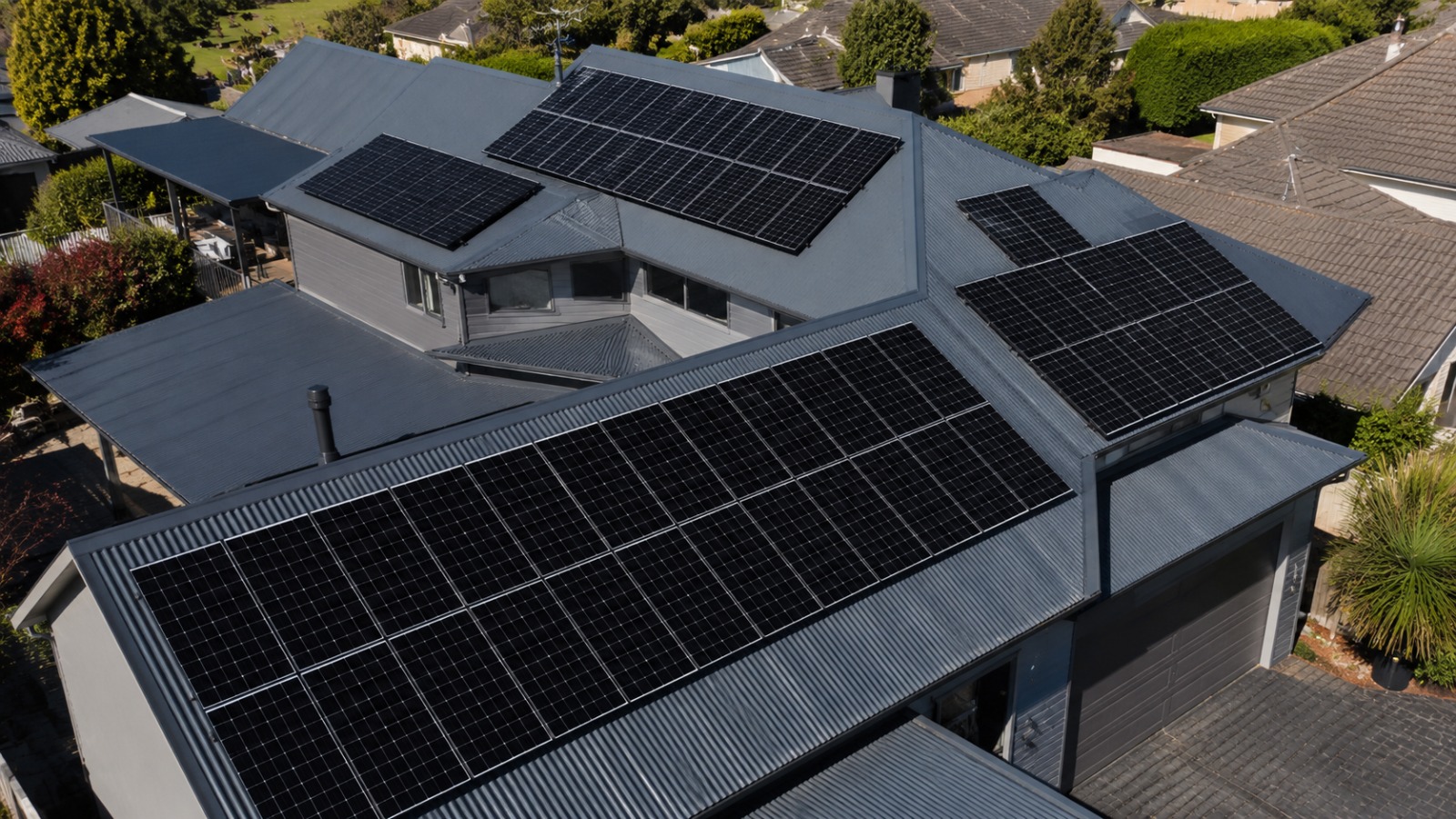
Roof size and layout play a big role. A steep, multi-angled roof takes longer to install than a flat, simple one, and that labour cost shows up in your quote. The number of panels you need matters too, since a 6.6kW system and a 13.2kW system are two very different jobs.
Then there’s the panel technology itself. Jinko’s Tiger Neo N-Type range, like the 440W bifacial model, sits a notch above basic PERC panels in both efficiency and price. You’re paying more upfront, but you’re also getting a panel that squeezes more energy out of the same roof space.
What Actually Goes Into the Jinko Solar Panels Price
When an installer gives you a number, it’s rarely just “panels times price.” A proper quote for Jinko solar panels price usually bundles together several things.
Panel Technology and Output
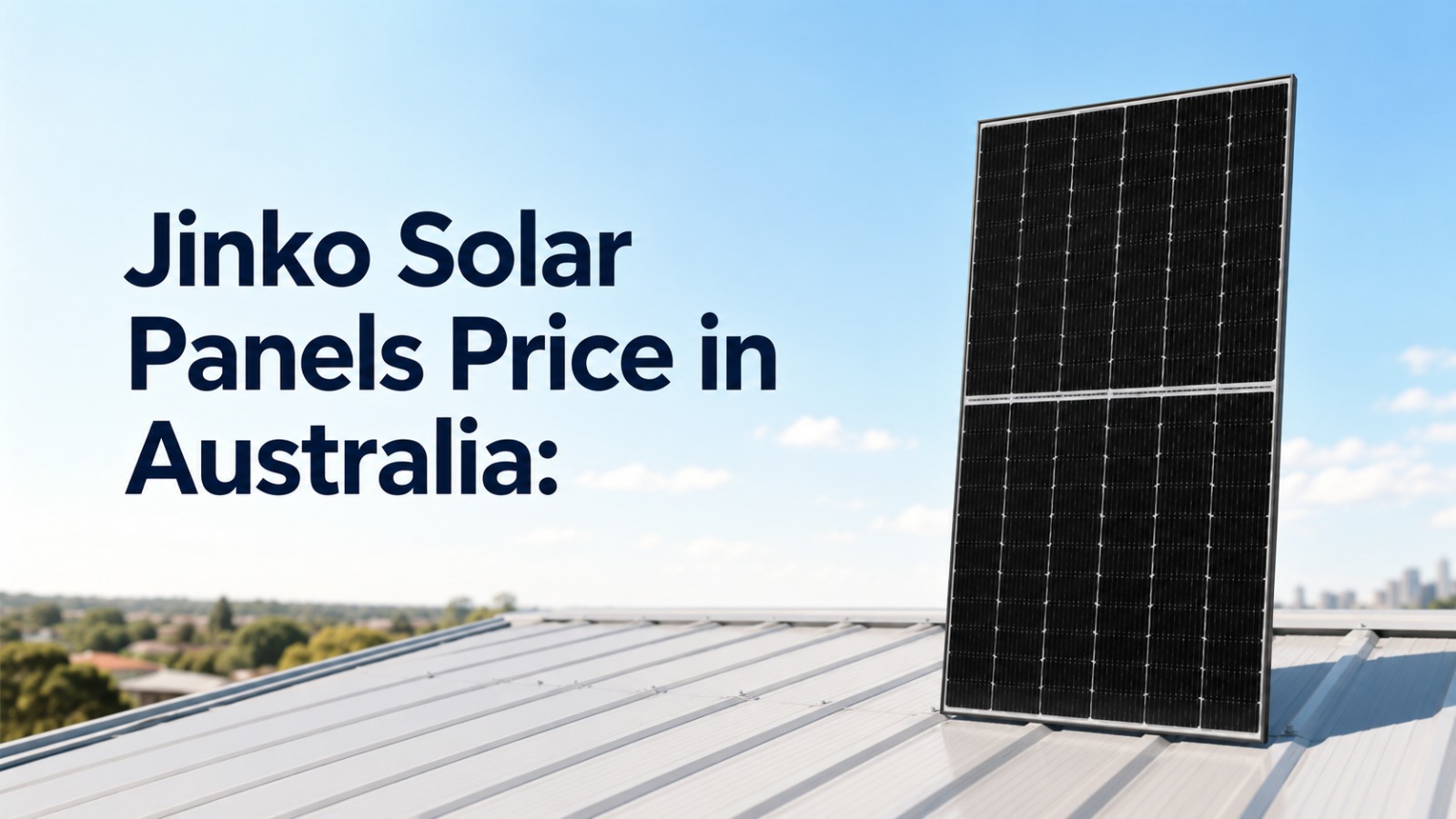
The Jinko 440W Tiger Neo N-Type panel, for example, runs at just over 22% efficiency and uses N-Type mono-crystalline cells with a dual glass bifacial design. That means it picks up reflected light off the roof surface as well as direct sunlight, which can add a noticeable bump to your yearly output. Panels like this cost more than older mono PERC options, but the extra generation over 20 or 30 years usually closes that gap.
Inverter and Installation
Your panel price is only part of the picture. The inverter, mounting hardware, cabling, and the actual labour to get everything safely on your roof all sit inside the quote. A cheap panel paired with a poor installation is a false economy, so it’s worth asking installers to break these line items out separately.
Warranty Coverage
Jinko’s Tiger Neo range comes with a 30-year product and power warranty, one of the longest available on the market, along with an annual degradation rate of just 0.40%. That kind of backing tends to push the Jinko solar panels price slightly higher than budget brands, but it also means you’re not gambling on a panel that fades fast after year ten.
Jinko Solar Panels Price in Australia: What to Actually Expect
If you’re specifically hunting for the Jinko solar panels price in the Australian market, comparing installer quotes will give you a far more accurate picture than looking at manufacturer list prices overseas. Local costs factor in freight, GST, installer margins, and compliance with Australian standards, none of which show up in a generic online price list.
One thing that genuinely moves the needle here is the federal solar rebate. Depending on your system size and location, this can knock a meaningful chunk off your upfront cost, sometimes a few thousand dollars. A good installer will handle the STC paperwork for you so the number you’re quoted is close to what you’ll actually pay out of pocket, not a “before rebate” figure that looks smaller than it really is.
A rough way to think about it: budget PERC panels sit at the lower end, mid-range mono panels sit in the middle, and premium N-Type bifacial panels like Jinko’s Tiger Neo series sit toward the top. You’re not just paying for a name, you’re paying for higher efficiency per panel, better warranty terms, and, in Jinko’s case, a manufacturer with decades of scale behind it.
How to Compare Quotes Without Getting Confused
Getting three or four quotes is the easiest way to sanity check any number you’re given. When you’re comparing, look past the total figure and check:
- The exact panel model and wattage listed, not just “440W solar panel.”
- Whether the inverter brand and size actually suits your household usage.
- What the warranty covers, and whether it’s the manufacturer’s warranty or just the installer’s workmanship guarantee.
- Whether the rebate has already been applied to the number you’re seeing.
A lower quote that skips the rebate calculation or swaps in a lesser-known inverter can look cheaper on paper while actually costing you more in the long run through lower output or shorter panel lifespan.
Why Get Your Quote Through Quick Solar
This is where working with the right installer changes the whole equation. Quick Solar is a CEC-accredited installer operating across Brisbane, the Sunshine Coast, and the Gold Coast, and they install the Jinko Tiger Neo 440W range as part of their standard panel lineup.
What that means for your Jinko solar panels price is that you’re not just getting a panel quote, you’re getting a full system design tailored to your roof, your household’s energy use, and your local conditions. Quick Solar also handles the federal rebate paperwork and STC claims for you, so the number in your quote already reflects the rebate rather than leaving you to work it out separately.
Beyond the initial install, Quick Solar backs its work with ongoing service and performance monitoring setup, so if something looks off with your system down the track, there’s someone to call. That kind of support is worth factoring in when you’re comparing quotes, since a slightly cheaper install with no aftercare can end up costing more if issues crop up later.
If you’re comparing Jinko against other brands, Quick Solar also stocks alternatives like Longi, Aiko, and Seraphim panels, so you can weigh up options side by side rather than getting locked into a single brand pitch.
Getting the Most Out of What You Pay
At the end of the day, the Jinko solar panels price you settle on should reflect more than just watts on a spec sheet. A 440W bifacial panel with a 30-year warranty and strong real-world reliability in Australian conditions is a different proposition to a no-name budget panel priced similarly on paper.
If you’re weighing up your options, it helps to talk to a CEC-accredited installer who can walk you through actual numbers for your roof, your energy usage, and your rebate eligibility. That conversation, more than any online price list, is what tells you what you’ll really pay and what you’ll get for it.
Ready to see what a Jinko system would cost for your home?
Get a free, no-obligation quote from Quick Solar and find out exactly where your numbers land.
For high-performance panels, we supply premium panels ideal to the best longi solar panel brisbane has to offer. We also stock the best aiko solar panel brisbane option and durable seraphim solar australia panels. For battery backup, install a reliable Sungrow battery Brisbane system, or check our sigenergy battery review for smart storage. We also offer the best goodwe battery brisbane service, along with dependable fox battery storage and trusted growatt battery australia solutions.