

Solar batteries are becoming a common addition to homes across Brisbane as more households look to store excess solar energy and reduce reliance on the grid. Along with this growth, questions about safety are also increasing.
News stories and online discussions often raise concerns about fire risks, leading many homeowners to ask: are solar batteries safe, and how reliable is solar battery safety in Australia?
The reality is far less alarming than the headlines suggest. Solar battery systems installed in Australia are governed by strict engineering standards and safety regulations.
When the right products are installed by accredited professionals, the risk of incidents is extremely low. This article explains common safety fears, outlines the standards that protect Australian households, and provides practical guidance on choosing a safe installer in Brisbane.
Common Fears About Battery Safety
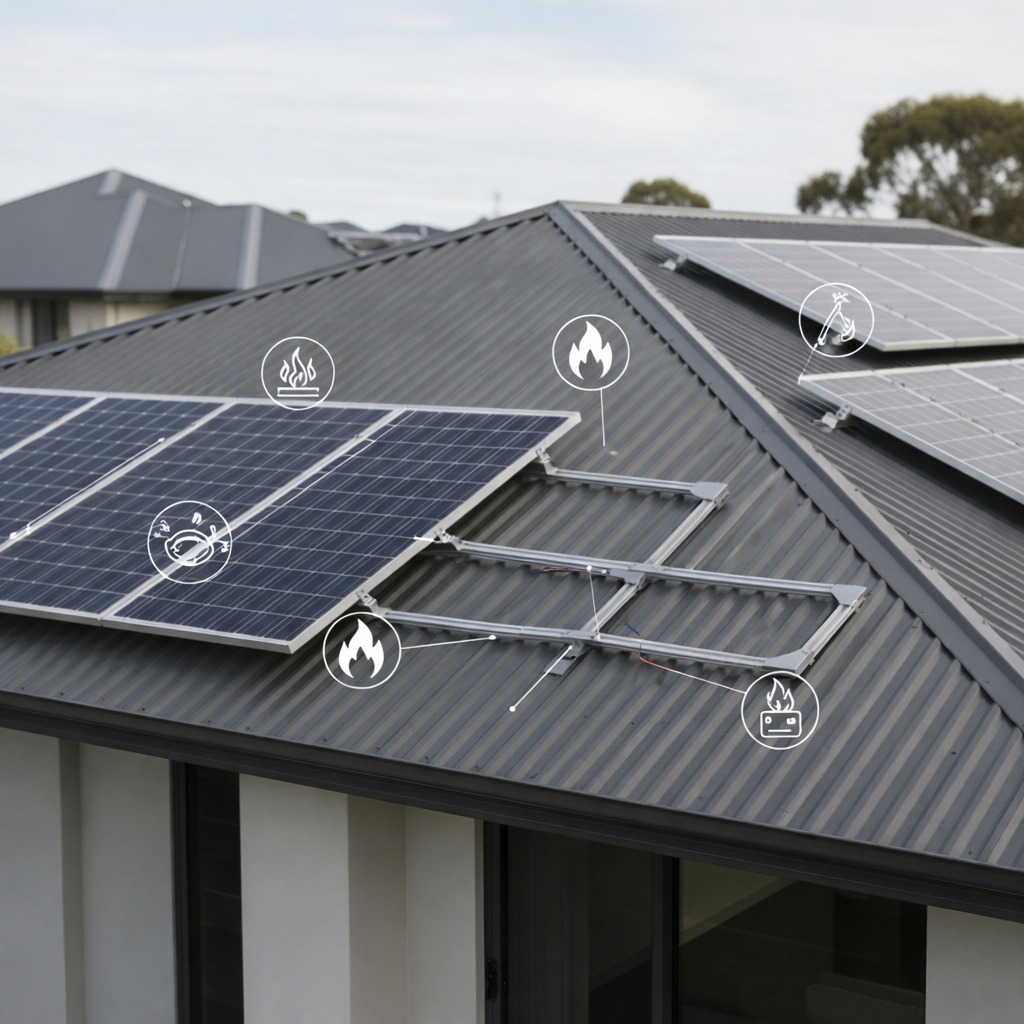
Many safety concerns stem from overseas incidents or outdated battery technology. Understanding the facts helps separate genuine risks from common myths.
Fear 1: Solar batteries frequently catch fire
One of the most widespread fears is that lithium-based solar batteries are prone to fires. In practice, modern solar batteries include multiple built-in safety features such as temperature sensors, automatic shutdown systems, and protective enclosures.
In Australia, battery fire incidents are rare. Industry monitoring by the Clean Energy Council shows that compliant systems have a strong safety record. Most reported issues relate to non-compliant installations or the use of uncertified products rather than faults in approved batteries.
Fear 2: Brisbane’s heat makes batteries unsafe
Queensland’s warm climate is often raised as a concern. However, solar batteries sold in Australia are tested to operate within temperature ranges suitable for local conditions. When installed in shaded, ventilated locations and according to manufacturer guidelines, heat does not pose a safety issue.
Problems tend to occur when batteries are placed in direct sunlight, enclosed cupboards, or poorly ventilated spaces. These situations are avoidable with proper system design.
Fear 3: Solar batteries are unsafe for families and older homes
Some homeowners worry about installing batteries near living areas or in established homes. Australian standards regulate minimum distances from habitable rooms, emergency exits, and combustible materials.
Older homes can safely support battery systems provided the electrical infrastructure is assessed and upgraded if required. Age of the property alone does not determine safety.
Engineering and Certification Standards in Australia
Australia has one of the most regulated solar and battery markets in the world. These regulations are central to maintaining high levels of safety.
Mandatory Australian standards
All residential battery systems must comply with standards developed by Standards Australia. Key standards include:
- AS/NZS 5139 – Safety of battery systems used with power conversion equipment
- AS/NZS 3000 – Electrical wiring rules
- AS/NZS 4777 – Grid connection and inverter requirements
These standards cover battery placement, fire resistance, ventilation, cable protection, signage, and emergency isolation.
Product certification and testing
Before a solar battery can be installed legally, it must undergo extensive testing. This includes:
- Electrical safety verification
- Overcharge and short-circuit testing
- Heat and impact resistance checks
- Compatibility testing with approved inverters
Only batteries that meet these requirements are approved for residential use in Australia. This certification process plays a major role in answering the question, are solar batteries safe, with a clear, evidence-based yes.
Installer accreditation requirements
Battery safety does not depend on the product alone. Australian regulations require installers to hold Clean Energy Council accreditation for battery storage systems. This ensures installers are trained in safe system design, correct placement, and compliance documentation.
Why Installation Quality Matters More Than the Battery
Research and industry data consistently show that safety issues usually arise from incorrect installation rather than battery defects.
Common installation errors
Unsafe outcomes are more likely when installers:
- Ignore clearance and spacing rules
- Install batteries too close to exits or living areas
- Fail to provide adequate ventilation
- Use incorrect cabling or protection devices
- Combine incompatible system components
A compliant installation addresses these risks before the system is switched on.
Safe battery placement for Brisbane homes
In Brisbane, safe battery locations often include garages with airflow, external walls that are shaded, or dedicated battery enclosures. Installers must also consider local factors such as flood-prone areas and humidity.
Clear placement planning ensures the system performs safely throughout the year.
How to Choose a Safe Solar Battery Installer in Brisbane
For homeowners, selecting the right installer is one of the most important safety decisions.
What to look for in an installer
Before proceeding with a battery installation, confirm that the provider:
- Holds current Clean Energy Council accreditation
- Has proven experience with battery systems, not just solar panels
- Provides a documented system design and placement plan
- Explains safety standards in clear terms
- Supplies compliance certificates after installation
A reputable installer will prioritise safety and compliance rather than focusing only on price.
Questions worth asking
When discussing your system, ask:
- Why is this battery location recommended?
- How is heat managed during summer?
- What safety certifications does the battery meet?
- What happens if the system detects a fault?
Clear and confident answers demonstrate professional knowledge and accountability.
Ongoing Monitoring and Maintenance
Modern solar batteries include monitoring software that continuously tracks system performance. These systems detect temperature changes, voltage irregularities, and other faults early, allowing automatic shutdown if required.
Simple steps for homeowners
To maintain safety over time:
- Keep the battery area clear and well ventilated
- Avoid storing flammable items nearby
- Pay attention to system alerts or warnings
- Arrange periodic inspections if recommended
These basic steps support long-term safety and performance.
What the Science and Data Show
Scientific studies and Australian safety data consistently confirm that compliant solar battery systems are safe for residential use. When installed according to national standards and maintained properly, they present no higher risk than other household electrical appliances.
For Brisbane households, strong regulation, climate-appropriate equipment, and professional installation make battery storage a dependable and safe energy solution.
Confirm Your System Meets Australian Safety Standards
If you are planning to install a battery or already have one in place, it is wise to confirm that your system complies with current Australian safety standards.
Quick Solar assists property owners, renters, and strata managers by ensuring battery systems are installed in line with Australian electrical and safety regulations.
Their team reviews system design, component certification, and installation locations to reduce compliance risks.
With experience across residential and shared properties, they help ensure each battery setup meets current standards and local requirements. This approach supports safe operation, long-term performance, and regulatory peace of mind.
A professional assessment can verify correct placement, certified components, and full regulatory compliance.