
Electric vehicles are becoming increasingly popular across Brisbane as households look for cleaner and more cost-effective transport options.
At the same time, more homeowners are investing in rooftop solar and battery storage to reduce electricity bills and reliance on the grid.
When these two technologies are combined, the result is a practical and efficient way to charge an electric vehicle at home using solar power.
This blog explains how solar batteries can charge EVs, compares grid charging with solar charging costs, outlines the best system setups for Brisbane homes, and shares realistic cost examples. If you are considering a solar EV home setup, this guide will help you understand what works and what to expect.
How Solar Batteries Can Charge Electric Vehicles
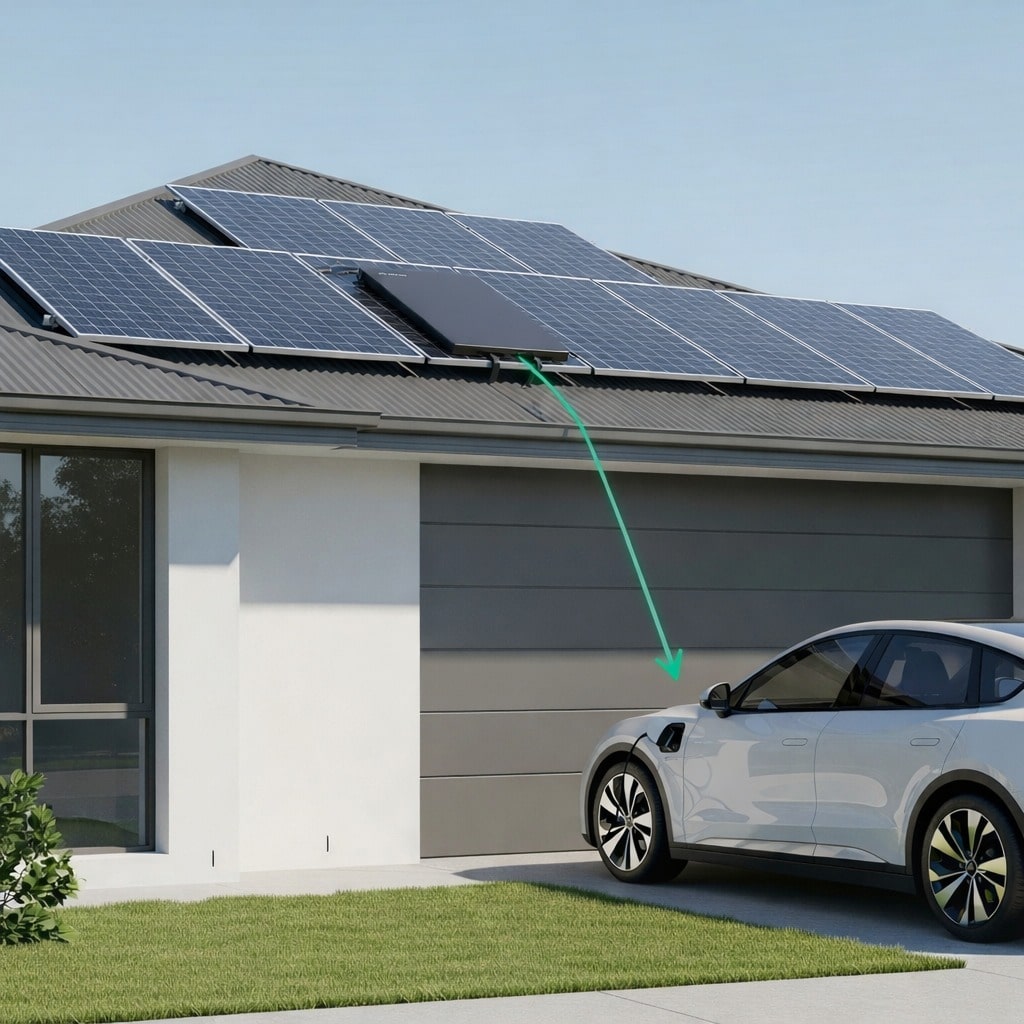
A solar battery stores excess electricity generated by your solar panels during the day. Instead of exporting unused energy back to the grid, the battery keeps it available for later use. This stored power can then be used to charge your electric vehicle, especially during the evening or overnight.
How the System Works
A typical solar and EV charging setup follows this process:
- Solar panels generate electricity during daylight hours.
- Household appliances use solar power first.
- Any surplus energy charges the battery.
- The battery supplies power to the EV charger when required.
In Brisbane, where solar generation remains strong for most of the year, this system is highly effective. Even in winter, many households generate enough surplus energy to support partial or full EV charging.
Smart EV Charging
Modern EV chargers can be programmed to work alongside solar batteries. Features may include:
- Charging only when solar or battery power is available
- Avoiding grid electricity during peak tariff periods
- Adjusting charging speed based on household energy demand
These settings help maximise solar usage and reduce electricity costs over time.
Charging an EV with Solar and Battery Storage
Once a solar and battery system is installed, the cost of charging your EV using stored solar energy is significantly lower. While there is an upfront investment, ongoing charging costs are minimal.
Best Solar and Battery Setup for EV Charging in Brisbane
Choosing the right system size is essential. The ideal setup depends on your daily driving distance, household electricity usage, and available roof space.
Recommended Solar Panel Sizes
For Brisbane homes with EVs, common system sizes include:
- 6.6 kW solar system
Suitable for light EV use or daytime charging only. - 10 kW solar system
Ideal for regular EV charging and average family energy use. - 13 kW solar system
Best for high-consumption households or multiple electric vehicles.
Due to strong solar conditions in Queensland, many EV owners benefit from systems of 10 kW or larger.
Battery Storage Options
Battery size determines how much solar energy can be stored for later EV charging.
- 10 kWh battery
Covers partial EV charging or short daily commutes. - 13 to 15 kWh battery
Suitable for full overnight charging for most EVs. - 20 kWh or larger battery
Recommended for long commutes or homes with more than one EV.
A larger battery provides greater flexibility, especially if most charging happens outside daylight hours.
Real Cost Examples for Brisbane Households
Example 1: Single EV, Average Household
- 10 kW solar system
- 13.5 kWh battery
- One EV driven 40 km per day
Outcome:
Approximately 80 percent of EV charging is supplied by solar and battery power.
Example 2: Two EV Household
- 13 kW solar system
- 20 kWh battery
- Smart EV charger installed
Outcome:
High self-consumption of solar energy with minimal grid use.
Example 3: Solar Without Battery
- 6.6 kW solar system
- Daytime EV charging only
Outcome:
Lower upfront cost, but limited charging flexibility. Savings depend on ability to charge during daylight hours.
These examples show why many Brisbane homeowners choose to include battery storage when planning a solar EV home setup.
Why Solar Battery EV Charging Makes Sense in Brisbane
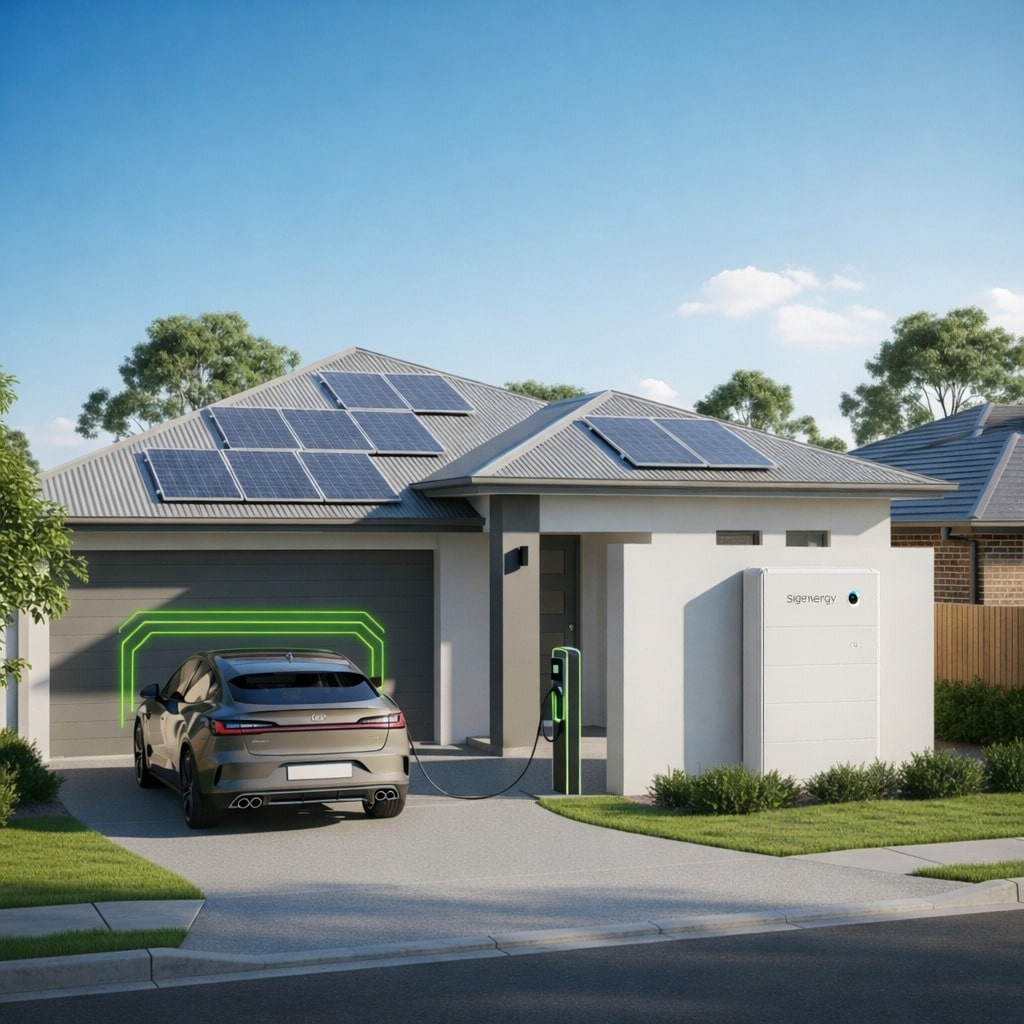
Brisbane’s climate supports consistent solar generation throughout the year. This makes solar battery systems particularly effective for EV charging.
Key advantages include:
- High average sunshine hours
- Strong solar output even outside summer months
- Better returns on solar and battery investments compared to many other regions
Local providers such as Quick Solar design systems based on Queensland conditions, ensuring solar and battery setups match household and EV charging needs.
Important Considerations Before Installing
Before installing a solar battery EV charging system, consider the following:
- Driving habits: Daily distance and charging frequency
- Future plans: Additional EVs or higher energy usage
- Electrical capacity: Switchboard and wiring upgrades may be required
- Battery lifespan: Most batteries last 10 to 15 years
A professional assessment ensures the system is sized correctly from the start.
Get a Tailored EV and Solar System Quote
Every household’s energy needs are different. A properly designed system ensures you get the most value from your investment while reducing reliance on the grid.
At Quick Solar, we design customised solar, battery, and EV charging solutions tailored to your home’s energy usage, vehicle type, and lifestyle.
Our team focuses on smart system design, quality components, and long-term performance — not one-size-fits-all packages.
With a strong understanding of Australian conditions and local energy requirements, Quick Solar helps homeowners maximise solar self-consumption, reduce electricity bills, and future-proof their homes for EV charging.
From initial consultation and system design to installation and ongoing support, we manage the entire process to ensure a smooth and reliable experience.
If you are planning a solar EV home setup in Brisbane, speak with a local specialist who understands your area and usage patterns.
Request a tailored EV and solar system quote today and find out how solar batteries can power your electric vehicle efficiently at home.