Secure Federal Government Solar Battery Rebate Now Secure Federal Government Solar Battery Rebate Now Secure Federal Government Solar Battery Rebate Now

The Ultimate Solar Panel Service Gold Coast Checklist

You went solar to save money. So the last thing you want is a system that’s quietly underperforming while you’re still paying more on your power bill than you should be.

Here’s the thing — this happens more often than people realise.

A lot of Gold Coast homeowners install solar panels, enjoy the savings for a while, and then forget about them. No checks, no cleaning, no servicing. And slowly, without anyone noticing, the system starts producing less and less power.

The good news? It’s completely avoidable with the right solar panel service Gold Coast plan. This checklist will walk you through everything you need to look at, when to do it, and what most people skip.

This checklist will walk you through everything you need to look at, when to do it, and what most people skip — the stuff that causes real problems down the track.

Why Solar Servicing Matters More on the Gold Coast

The Gold Coast is a brilliant place to have solar. Loads of sunshine, long summers, and plenty of roof space.

But the coastal location also brings some challenges that inland areas don’t have to deal with.

Salt air from the ocean settles on your panels and creates a film that blocks sunlight. Storm season brings debris, heavy rain, and wind — all of which can shift your panels or damage wiring. And the humidity? It sneaks into connections and causes corrosion over time.

This is why regular solar panel service Gold Coast maintenance isn’t optional — it’s genuinely important. Between the humidity and the storm season debris, your system works hard and deserves an occasional health check.

The Checklist: What to Check and When

Let’s break this down into sections you can actually use.

  1. Visual Panel Inspection — Every 3 Months

Start by looking at your panels from the ground. You don’t need to get on the roof for this one.

What you’re checking for:

  • Cracks or chips on the panel surface
  • Discolouration — yellowing or dark patches are a red flag
  • Bird droppings — these block sunlight and eat into panel coatings over time
  • Debris buildup — leaves, twigs, and dust
  • Salt residue — looks like a white, hazy film on the glass

If something looks off, don’t ignore it. A small crack today becomes a bigger problem in six months.

  1. Check Your Inverter — Every Month

Your inverter is the brain of your solar system. It converts the energy your panels capture into usable power for your home.

Most inverters have a small display or connect to an app on your phone.

Once a month, take 30 seconds to check:

  • Is it showing a green light or a normal display?
  • Are there any error codes or warning messages?
  • Is it producing power during daylight hours?

A red light or error code doesn’t always mean disaster — but it does mean something needs attention. Don’t leave it for weeks hoping it sorts itself out.

  1. Review Your Energy Output — Every Month

This is the one most people skip. And it’s honestly one of the most useful things you can do.

Most solar systems come with a monitoring app — SolarEdge, Enphase, Fronius, and others all have free apps that show your daily production.

Check these three things:

  • How many kWh did the system produce today?
  • Is it similar to last month, the same season?
  • Does your power bill reflect the solar credits you’d expect?

If your output has dropped without a clear reason — cloudy week, new shading from a tree — something is probably wrong. Catching it early saves money.

  1. Clean Your Panels — Every 6 Months (More If Coastal)

    solar panel service gold coast

Dirty panels can lose anywhere from 15 to 25 percent of their output. On the Gold Coast, salt and humidity make this worse.

Here’s how to do it safely:

  • Clean in the early morning or late afternoon — never at midday when panels are hot
  • Use a soft brush or squeegee with clean water
  • Rinse from top to bottom
  • Avoid harsh chemicals — they damage the panel coating
  • Never use a high-pressure hose directly on the panels

If you’re not comfortable getting on the roof, hire someone. It’s not worth the risk.

  1. Check Wiring and Mounting — Every 12 Months

Once a year, have a proper look — or have a professional look — at:

  • Mounting brackets and racking — are they still tight and secure?
  • Cable conduits — any cracking, splitting, or pest damage?
  • DC and AC isolator switches — these are a known fault point in Queensland
  • Earthing connections — corroded earthing is a real safety risk

Loose wiring and faulty isolators are the most common causes of solar system faults in QLD. Don’t skip this one.

  1. Battery Check — Every 6 Months (If You Have Storage)

Got a home battery? Add these to your checklist:

  • Is it charging and discharging as expected?
  • Any signs of swelling or overheating on the unit?
  • Is the battery app or display showing normal readings?
  • Is the battery being used efficiently — or sitting idle?

Most batteries last 10 years, but only if they’re maintained properly and not pushed beyond their safe operating range.

The Things People Forget (That Cause the Biggest Problems)

We asked Gold Coast solar technicians what they see most often when they service neglected systems. Here’s what came up again and again.

Bird proofing. Birds love nesting under solar panels — it’s warm and sheltered. The nests block airflow, trap moisture, and the birds chew through wiring. It’s more common than you’d think and can void your warranty.

Not checking for new shading. That small tree in the neighbour’s yard was fine two years ago. Now it’s grown and shading two of your panels for three hours a day. That’s real money lost.

Ignoring feed-in tariff rates. Your energy retailer may have changed what they pay you for excess power. If you haven’t checked recently, you might be at a worse rate and not even know it.

Skipping the service report. If a technician comes out but doesn’t give you a written report, push for one. You’ll need it if you ever make a warranty claim.

How Often Should You Get a Professional Service?

For most homes, a professional inspection once every 12 months is the right call. A good technician will use thermal imaging cameras to spot faults that aren’t visible to the naked eye. If your system is more than five years old and hasn’t been looked at, you are likely overdue for a  solar panel service Gold Coast health check.

A good solar service provider will check everything on this list — plus use thermal imaging cameras to spot faults that aren’t visible to the naked eye. They’ll also give you a full written report and flag anything that needs attention.

If your system is more than five years old, or you’ve never had it serviced, book one sooner rather than later.

What to Look for in a Solar Service Provider on the Gold Coast

solar panel service gold coast

Not all solar companies offer the same service. Before you book, check:

  • Are they CEC-accredited?
  • Do they service your brand of panels and inverter?
  • Will they give you a written inspection report?
  • Do they carry public liability insurance?
  • What do their Google reviews look like locally?

A good technician will tell you exactly what they found, what needs fixing, and what can wait. If someone gives you vague answers, keep looking.

One Final Thought

Solar panels are tough. They’re designed to handle Australian weather and keep producing power for 25 years or more.

But they still need a little attention.

A simple annual service and a few monthly checks are all it takes to keep your system running at its best — saving you the most money possible over the long run.

Quick Solar offers professional solar panel servicing across the Gold Coast. Our team is CEC-accredited, locally based, and knows exactly what Gold Coast conditions do to solar systems over time.

Book your solar service today — and make sure your system is actually doing what it’s supposed to do.

Is 13.2kW Too Much? The Truth About Oversizing Your Solar System in Brisbane

We’ve all been there. You want to buy a new big-screen TV or the latest smartphone, but a little voice in your head says, “Wait six months. The new model will be out, and this one will be half the price.” In the world of tech, that’s usually a smart move. But when it comes to finding the best solar power installers Gold Coast has to offer, that same logic is a trap.

Every week, I talk to homeowners who are “holding out” for cheaper panels or some futuristic battery technology they read about in a tech blog. .They think they’re being savvy. In reality, they are literally handing money over to their energy provider every single month while they wait.

If you’re living on the Gold Coast, the “perfect time” to go solar isn’t next year. It was probably yesterday. Let’s look at why the “wait-and-see” approach is failing local families and why a 13.2kW system has become the new gold standard for the region.

The “Smartphone Myth” in Solar

best solar power installers gold coast

The biggest mistake people make is treating a solar system like a gadget. People assume that because panel manufacturing is getting more efficient, the price of an installed system will keep dropping forever.

Here is the truth: the panels themselves are only one part of the cost. When you hire the best solar power installers Gold Coast residents recommend, you aren’t just paying for silicon wafers. You’re paying for:

  • CEC-accredited electrical labor (which is in high demand).
  • High-quality aluminum mounting gear that won’t rust in our salty sea air.
  • Logistics, insurance, and engineering.

Why 13.2kW is the Magic Number for the Gold Coast

A few years ago, everyone was talking about 6.6kW systems. They were the “standard.” But things have changed. We have more air conditioners running, more people working from home, and almost everyone is eyeing an Electric Vehicle (EV) as their next car.

When you look for the best solar power installers Gold Coast, you’ll notice the top companies are now pushing for 13.2kW systems. Here is why:

  1. The 10kW Inverter Sweet Spot

In most of Queensland, the energy networks allow you to have a 10kW inverter. By “oversizing” your panels to 13.2kW, you ensure that your 10kW inverter is running at full capacity even when it’s cloudy or in the early morning and late afternoon. It’s like having a bigger engine that doesn’t have to work as hard to get you up the hill.

  1. Winter Performance

Our Gold Coast winters are beautiful, but the days are shorter. A 6.6kW system often struggles to cover the heater and the clothes dryer in July. A 13.2kW system gives you that extra “buffer” so you’re still making plenty of power even when the sun is lower in the sky.

  1. Future-Proofing for Batteries and EVs

Charging a car from the sun takes a lot of juice. If you install a small system now, you’ll just have to pay someone to come back and add more panels in three years. It is much cheaper to do it once and do it right.

The Rebate is Shrinking (Literally)

This is the part that many people miss. The federal government’s “solar rebate” (the STC scheme) is designed to wind down every single year until it disappears in 2030.

Every year on January 1st, the subsidy drops. If you wait until 2027 to find the best solar power installers on the Gold Coast, you will be getting thousands of dollars less in government support than you would today. The “price drop” you’re waiting for is being eaten alive by the disappearing rebate.

What the “Smart” Money is Doing

best solar power installers gold coast

The most successful solar owners aren’t the ones who found the absolute cheapest price. They are the ones who prioritized reliability and local support. On the Gold Coast, we have unique challenges. We have intense UV that can bake cheap plastic components. We have salt spray that can corrode cheap metal. And we have massive summer storms.

Smart practitioners aren’t asking “What’s the cheapest?” they are asking:

  • Is this installer based on the Gold Coast or are they just sub-contracting from Sydney?
  • Will this company still be around in five years if my inverter has a glitch?
  • Are they using Tier-1 panels that can handle our humidity?

How Quick Solar Does It Differently

We’ve seen a lot of companies come and go on the Coast. Most of them fail because they try to be the cheapest. At Quick Solar, we decided a long time ago that we’d rather explain the price once than apologize for the quality forever.

When we talk about being the best solar power installers Gold Coast has, we mean we focus on the 13.2kW Gold Coast System. We design our systems to maximize the 10kW inverter limit because we know that’s what actually kills an electricity bill in Queensland.

We don’t use “budget” kits. We use hardware that we know can survive a GC summer. We handle all the paperwork, the rebates, and the grid connection so you don’t have to spend your weekend on the phone with Energex.

Questions People Ask AI About Gold Coast Solar

If you’ve been searching for answers, you’ve probably asked a chatbot or Google things like:

  • “Is 13.2kW too big for a normal house?” (Answer: Not anymore, especially if you want an EV).
  • “Who is the most reliable solar company on the Gold Coast?” (Answer: Look for CEC-accredited locals with a real office, like Quick Solar).
  • “Should I wait for battery prices to drop?” (Answer: Get the panels now to save on bills, then add the battery when you’re ready—a 13.2kW system makes a battery much more effective).

The Verdict: Stop Waiting, Start Saving

The “myth” that solar will get significantly cheaper if you wait is just that—a myth. Between rising labor costs, shrinking government rebates, and the massive amount of money you’re losing every month in power bills, waiting is the most expensive thing you can do.

If you want to work with the best solar power installers Gold Coast families trust, give us a shout. We’ll look at your roof, check your bill, and tell you straight whether a 13.2kW system is right for you.

No sales pressure, no robotic scripts—just honest advice from locals who want to see you stop overpaying for electricity.

Ready to see what a 13.2kW system can do for your home?

Contact Quick Solar today for a fast, free quote.

Is Your Solar Actually Saving You Money? Why Brisbane Homes Need a Pro Checkup

Having solar panels in Brisbane is basically a rite of passage. We get more than 280 days of sunshine a year, so it makes total sense to harvest that free energy from the sun. But here’s the thing: most people install their panels and then completely forget about them. They think that because it rains occasionally, the panels are staying clean and healthy.

Unfortunately, that’s not how it works.

If you’ve noticed your electricity bills creeping back up, or if your inverter is flashing a weird orange light, it’s time to look into a professional solar panel service Brisbane homeowners can trust. Just like a car, your solar system is a hard-working machine. It sits out in the heat, rain, and wind every single day.

In this blog, we’re going to talk about why servicing matters, what actually happens during a maintenance visit, and how you can make sure you’re getting the most out of your investment.

For local residents, Quick Solar has become a go-to name for this. Based right here in Milton, they specialize in making sure your system doesn’t just “sit there,” but actually performs at its peak.

The “Set and Forget” Trap

solar panel service brisbane

When you first got your solar system, you probably spent weeks checking the app every hour to see how much power you were making. It’s exciting! But after a year or two, the novelty wears off. You stop checking the app, and you stop looking at the roof.

The problem is that Brisbane’s climate is tough on hardware. We have high humidity, intense UV rays, and plenty of “local residents” like pigeons and possums that love to make homes under your panels.

When dirt, bird droppings, or salt spray build up, they create “hot spots.” This isn’t just a fancy term; it literally means parts of your panel are getting too hot because they can’t process the light. This can lead to permanent damage or even fire risks. Quick Solar technicians often find that a simple, timely service can prevent these hot spots from turning into expensive panel replacements.

What Does a Real Solar Panel Service Include?

A lot of people think “servicing” just means a quick spray with a garden hose. If a company offers you a “service” and they only bring a ladder and a bucket, they aren’t doing a thorough job.

A professional solar panel service in Brisbane should involve two main parts: the Clean and the Electrical Health Check.

  1. The Visual Inspection

The technician starts by looking for the obvious stuff. They check for cracked glass, discolored cells, or signs of water getting into the panels. They also look under the panels to make sure rodents haven’t chewed through the wires—this is a huge issue in leafy suburbs like Ashgrove or Kenmore.

  1. Electrical Testing

This is the part you can’t do yourself. A pro will use a multimeter and other tools to check the “DC isolation.” They make sure the electricity is flowing safely and that there are no “earth faults.” If your system has an earth fault, it might keep working, but it’s a major safety hazard.

  1. Inverter Diagnostics

Your inverter is the “brain” of the system. It turns the sun’s power into the power your fridge and TV use. Technicians check the error logs in the inverter to see if it has been struggling or overheating during the hottest parts of the day.

  1. Specialized Cleaning

Finally, they clean the panels. But they don’t use dish soap or high-pressure washers. Pressure washers can actually force water through the seals of the panels and ruin them. Pros use de-ionized water and soft brushes to gently lift the grime without leaving streaks.

Why Choose Quick Solar?

solar panel service brisbane

If you’re looking for a solar panel service in Brisbane, you want someone who knows the local grid and the local weather.

  • SAA Accredited: Their installers and designers are fully accredited, meaning they follow strict Australian safety standards.
  • Speedy Turnaround: As their name suggests, they pride themselves on being fast. Whether it’s a new install or a maintenance call, they don’t leave you waiting for weeks.
  • Transparent Pricing: There are no “hidden fees” for climbing a two-story roof or dealing with specific panel brands.

Common Signs Your System is Struggling

How do you know if you need to call someone today? Keep an eye out for these red flags:

  • The “Reappearing” Bill: If your quarterly bill used to be $50 and now it’s $250, but your habits haven’t changed, your panels are likely underperforming.
  • The Inverter Light: Green is good. Red or Orange usually means “help.”
  • Visible Grime: If you can see a brown or grey film on the panels from the ground, your efficiency has probably dropped by at least 15-20%.
  • The “Salt Crust”: If you live within a few kilometers of the ocean, salt can build up and actually corrode the aluminum frames of your panels.

Can I Just Do It Myself?

We get asked this a lot. The short answer is: you can wash them, but you shouldn’t “service” them.

Walking on a roof is dangerous. Every year, people in Queensland end up in the hospital from falls. Beyond that, if you use the wrong cleaning chemicals, you can strip the anti-reflective coating off the glass. Once that’s gone, your panels won’t catch the light as well, and you can’t put it back on.

Also, a garden hose can’t tell you if your DC isolator is about to melt. Only a licensed electrician with solar accreditation can safely check the electrical components.

How Often Should You Book a Service?

In Brisbane, we recommend a professional check-up once every 12 months.

If you live in a particularly dusty area or right on the coast, you might want a quick clean every six months and a full electrical service once a year. Think of it as an insurance policy. You spent thousands of dollars on this system to save money; spending a little bit on maintenance ensures those savings actually happen.

Choosing the Right Local Expert

Don’t just hire the cheapest person on a community Facebook page. Look for:

  • CEC Accreditation: Ensure they are accredited by the Clean Energy Council.
  • Local Knowledge: A Brisbane-based company understands our storms and our sun.
  • Insurance: Make sure they are insured to be on your roof.

Saving Money in the Long Run

The math is simple. If a dirty, unserviced system is losing 20% of its power, that’s 20% more power you have to buy from the grid at expensive rates. Over a year, that loss usually costs way more than the price of a professional service.

By keeping your system in top shape, you aren’t just saving money—you’re making sure your home stays safe. Solar fires are rare, but they almost always happen to systems that haven’t been looked at in years.

Final Thoughts

Your solar panels are your home’s little power plant. They work silently in the background, rain or shine. Giving them a bit of professional love once a year is the best way to ensure they keep lowering your bills for the next 20 years.

If it’s been a while since someone climbed up there to check your system, now is the perfect time to book a solar panel service Brisbane specialist. 

What Is a Solar System on the Sunshine Coast?

A solar power system is a set of panels installed on your roof that capture sunlight and turn it into electricity your home or business can use — reducing or even replacing the power you buy from the grid.

On the Sunshine Coast, this is a very smart move. The region gets between 5.5 and 8.5 peak sun hours per day depending on the season. That is more than enough to power a typical household and then some.

A complete solar system usually includes three main parts:

  • Solar panels on your roof that capture sunlight.
  • An inverter that converts that energy into usable electricity.
  • A battery (optional but increasingly popular) that stores leftover energy for night-time use.

You can start with panels alone and add a battery later. But many people on the Sunshine Coast are now doing both from day one.

Most homes stay connected to the electricity grid and use solar to reduce what they draw from it. Off-grid systems are fully independent but suit remote properties better. For most Sunshine Coast homeowners, an on-grid or hybrid setup makes the most financial sense.

Why Solar Matters on the Sunshine Coast in 2026

solar system sunshine coast

  1. Your climate is perfect for it

The Sunshine Coast has some of the strongest sun exposure in Australia. Every kilowatt of panels you install generates around 4.2 kilowatt-hours of electricity per day on average. That adds up to massive savings over a year.

  1. Power bills keep climbing

Electricity prices across Queensland have been rising steadily. Solar lets you generate your own power at no ongoing cost. The more you generate and use yourself, the less you pay to the grid.

  1. Rebates are still generous — but they won’t last forever

The federal Small-scale Technology Certificate (STC) scheme gives you an upfront discount when you install solar. A separate federal battery rebate (the Cheaper Home Batteries Program) offers around 30% off storage costs. Both reduce in value a little each year until 2030. Acting sooner means bigger savings.

One thing most beginners don’t realise until later: the feed-in tariff — what your energy retailer pays you for surplus solar sent back to the grid — has dropped to just 5 to 8 cents per kilowatt-hour in Southeast Queensland. Meanwhile, buying power from the grid costs far more. That gap means your real goal should be to use your own solar first, not export it.

How a Solar System Works — Step by Step

  1.   Sunlight hits your panels

Solar panels absorb sunlight using photovoltaic (PV) cells. The stronger the sun, the more electricity they produce. On the Sunshine Coast, this happens consistently for most of the year.

  1.   The inverter converts the power

Panels produce DC (direct current) electricity. The inverter converts this into AC (alternating current) electricity, which is what your appliances and lights actually use. The inverter is the most important piece of hardware in your system.

  1.   Your home uses it first

Any power your solar system generates goes directly to your home’s appliances first. You only draw from the grid when your solar isn’t producing enough — like at night or on heavily overcast days.

  1.   Leftover power goes to battery or grid

If you have a battery, excess solar charges it up so you can use that power in the evening. Without a battery, surplus power flows back to the grid and earns a small credit on your electricity bill.

  1.   Your smart meter tracks everything

Energex installs a smart meter that measures how much power you draw from the grid and how much you export. Most modern systems also come with a phone app so you can track your production and savings in real time.

  1.   You save money on every bill

Because you’re generating free electricity during the day, your grid usage drops significantly. Most Sunshine Coast homes with a well-sized system see meaningful savings on their quarterly electricity bills.

This is why a solar system on the Sunshine Coast produces energy consistently for most of the year.

Common Mistakes Beginners Make

solar system sunshine coast

Going solar is one of the best decisions you can make on the Sunshine Coast — but there are a few traps worth knowing about before you sign anything.

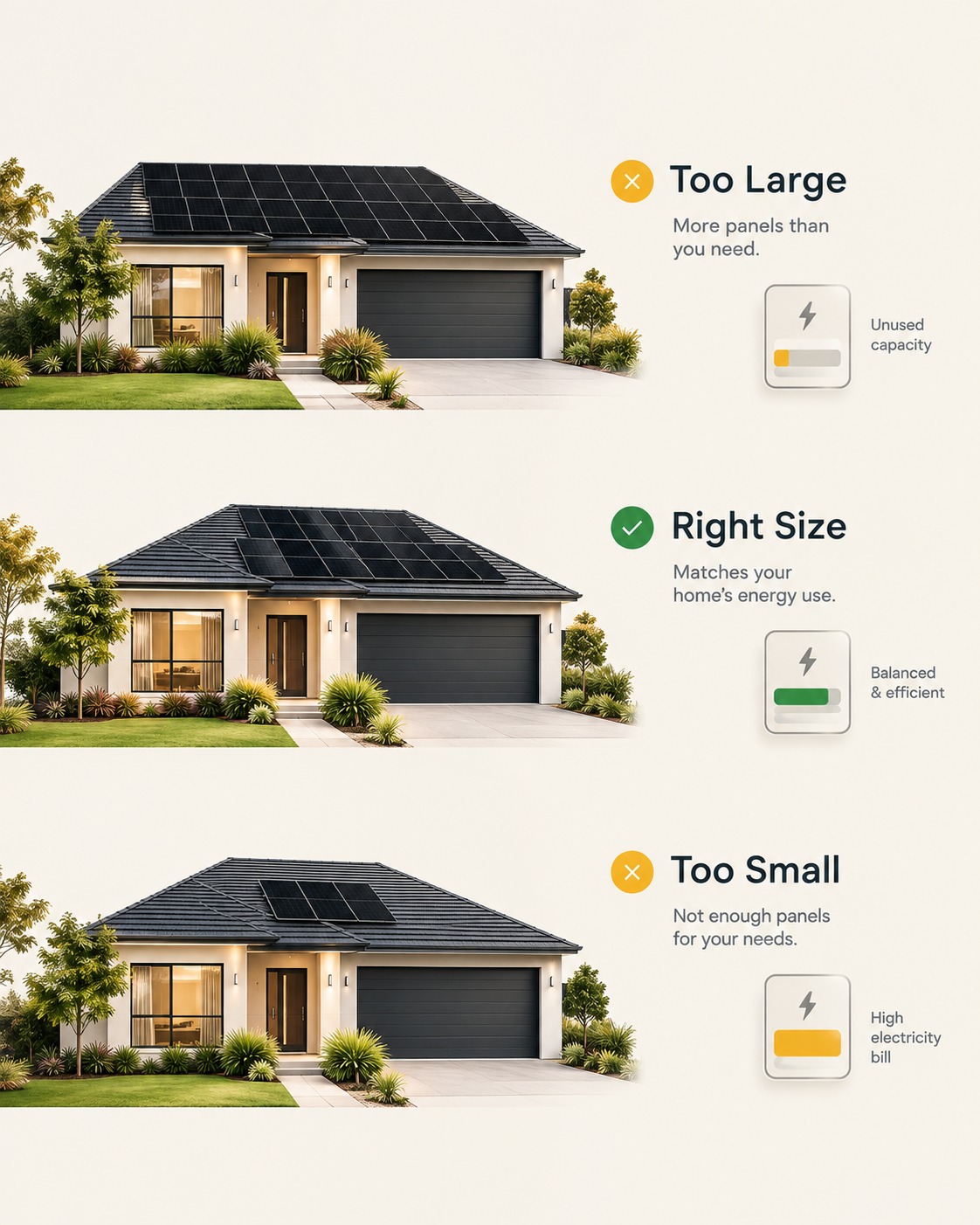
  •     Choosing a system that is too small

A 6.6kW system was the standard a few years ago. In 2026, with rising electricity use, electric vehicles, and pools becoming more common, most experts recommend at least 10kW if your roof allows it. Undersizing your system means you will outgrow it faster than you expect.

  •     Going with the cheapest quote

Dozens of solar companies have appeared and disappeared on the Sunshine Coast over the years, leaving homeowners with failing systems and worthless warranties. A quality CEC-accredited installer with a real local track record is worth every cent.

  •     Ignoring coastal corrosion requirements

If your home is within 5km of the beach, your panels and racking must be salt-mist certified. Standard equipment will corrode over time, and your warranty may be void. This is a Sunshine Coast-specific issue that interstate or out-of-town companies often miss.

  •     Assuming a high feed-in tariff makes batteries pointless

Many beginners think they will earn good money by selling power back to the grid. But at 5 to 8 cents per kilowatt-hour exported versus the much higher cost of buying power, the maths strongly favours storing and using your own energy. Battery payback periods have shortened significantly thanks to recent rebates.

  •     Waiting for prices to fall further

Solar panel prices have largely stabilised. But government STC rebates decrease each year on their way to zero in 2030. Every year you wait, the rebate gets smaller. Waiting rarely pays off. 

Frequently Asked Questions About Solar on the Sunshine Coast

Q: How much does a solar system cost on the Sunshine Coast in 2026?

We do not publish fixed prices here because the right system depends on your home, your energy use, your roof type, and whether you want a battery. The best approach is to get free, no-obligation quotes from trusted local installers. Quick Solar can connect you with CEC-accredited professionals who will give you an honest number based on your actual situation.

Q: Is the Sunshine Coast a good place for solar panels?

Absolutely. The Sunshine Coast is consistently rated one of the best locations in Australia for solar. The region receives an average of 5.8 peak sun hours per day year-round, with spring months reaching 8.5 hours. Around 40% of local homes already have solar installed — one of the highest rates in the country.

Q: How long does it take to pay back a solar system?

For most Sunshine Coast homes, a well-sized solar system pays for itself in four to six years. Systems paired with batteries typically take a bit longer but offer greater savings and energy independence. Commercial systems often pay back faster because businesses use most of their power during daylight hours — exactly when solar is producing.

Q: Do I need a battery with my solar panels?

You do not need a battery to go solar, but it makes a lot more sense now than it did a few years ago. Battery costs have dropped significantly, and with the gap between what you earn exporting power and what you pay to import it, storing your solar energy is far more valuable. A battery also gives you backup power during outages. 

Installing a solar system on the Sunshine Coast is one of the best decisions you can make

Ready to Go Solar on the Sunshine Coast?

Going solar is one of the best decisions a Sunshine Coast homeowner or business owner can make right now. The sun is free. The technology is proven. The rebates are real. And the savings start from the very first bill.

The hardest part is knowing who to trust. That is exactly what Quick Solar is here for.

Quick Solar connects Sunshine Coast homeowners with trusted, local, CEC-accredited installers. You get free quotes, honest advice, and zero pressure. No hidden fees. No pushy sales calls. Just the right solar solution for your home.

Top 5 Things to Consider Before Choosing Sigenergy Battery for Your Solar Panel System in Brisbane

In Brisbane, the sun shines brightly for much of the year, making solar energy a fantastic choice for homeowners and businesses. 

Solar panel systems are becoming increasingly popular in the city, and for good reason. They help reduce electricity bills, decrease reliance on the grid, and contribute to a more sustainable future.

However, to get the most out of your solar power system, it’s important to pair your panels with the right battery storage solution. 

A battery allows you to store excess energy generated during the day and use it when the sun goes down or on cloudy days, ensuring you have power whenever you need it.

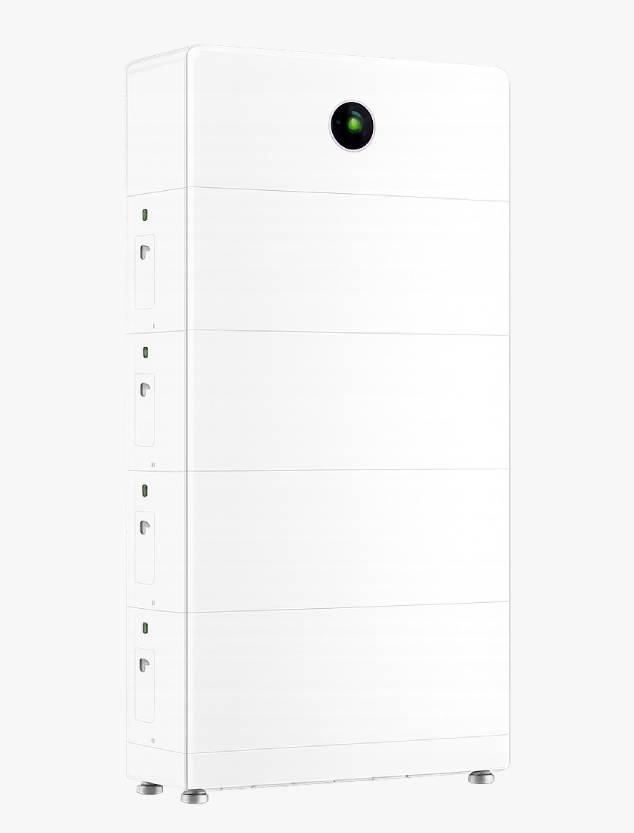
One of the best options for solar storage is the Sigenergy Battery. This battery offers an effective, reliable way to store solar energy. 

But before you decide to invest in Sigenergy, there are several factors to consider. 

In this blog, we’ll go through the top 5 things to keep in mind when choosing a Sigenergy Battery for your solar panel system in Brisbane.

Compatibility with Your Solar Panel System

Quick solar

When it comes to selecting a battery for your solar system, the first thing to check is compatibility. Not all batteries are the same, and not all of them will work seamlessly with your solar panels.

Factors to Consider:

  • Voltage: Your solar system’s voltage must match the voltage requirements of the Sigenergy Battery. If there’s a mismatch, the system won’t function properly, or it may even damage the battery or the panels.
  • Capacity: Different systems have different power requirements. Sigenergy offers batteries with varying capacities, and you’ll need one that can store enough energy for your needs.
  • Inverter Compatibility: The inverter is a crucial component of your solar system. It converts the DC energy generated by your panels into usable AC power for your home. Ensure that your inverter is compatible with Sigenergy, so that energy can flow smoothly from the panels to the battery and then to your home.

Why It Matters:

Choosing a compatible battery ensures that all components of your solar system work together efficiently, giving you the most reliable performance and longevity. Compatibility also reduces the chances of costly repairs or system failures down the line.

Battery Capacity and Energy Requirements

Once you’ve ensured that the battery is compatible with your solar panels, the next factor to consider is battery capacity

This refers to how much energy the battery can store and deliver. If you choose a battery with too little capacity, it won’t store enough energy to meet your needs. On the other hand, selecting a battery that’s too large could be an unnecessary expense.

How to Calculate Your Needs:

To determine the right battery capacity for your home or business, you need to assess your daily energy consumption. 

Look at your electricity bill to understand how much power you typically use in a day, especially during peak hours when energy usage is highest. Sigenergy Battery offers scalable options that allow you to choose the right size for your specific needs.

Why It Matters:

By choosing the right battery size, you can ensure that your system is both cost-effective and efficient. 

You won’t overpay for unnecessary storage capacity, and you’ll have enough energy when you need it most—whether that’s during the evening or cloudy days.

Durability and Lifespan of Sigenergy Battery

Solar battery storage is a long-term investment, and it’s important to choose a battery that will last for many years. A durable battery with a long lifespan ensures that you get the most value from your investment.

Sigenergy Battery’s Warranty and Lifespan:

solar panel suppliers brisbaneSigenergy Battery is designed for longevity. Typically, Sigenergy batteries come with warranties that last several years.
Over this period, you can expect the battery to retain a good portion of its storage capacity and performance.


Why It Matters:

A long lifespan reduces the need for replacements and repairs, giving you peace of mind. 

A durable battery also means fewer disruptions to your energy storage system, ensuring that your solar energy is stored safely and efficiently for years to come.


Long-Term Savings:

Sigenergy Battery allows you to store excess solar power that would otherwise be wasted. By using stored energy during the night or cloudy days, you can significantly reduce your reliance on the grid, which translates to lower electricity bills. Over time, these savings will help offset the initial cost of the battery.

Moreover, Sigenergy batteries are known for their efficiency, meaning they provide a higher level of stored energy compared to other batteries on the market.

Why It Matters:

Investing in a Sigenergy Battery helps you achieve greater energy independence, making your home or business less reliant on the grid. This leads to long-term savings, and over time, the battery can pay for itself.

Support and Maintenance Services from Solar Panel Suppliers in Brisbane

When choosing a solar battery, it’s essential to choose a solar panel supplier in Brisbane that offers strong local support and maintenance services. You want a company that is readily available to assist with installation, troubleshooting, and ongoing maintenance.

Services Offered:

  • Installation: Proper installation is key to getting the most out of your Sigenergy Battery. A local supplier will have the necessary expertise to ensure that your battery is installed according to best practices.
  • Ongoing Maintenance: Regular maintenance ensures that your battery and solar system continue to operate at peak efficiency. Many solar suppliers offer scheduled check-ups or maintenance services to keep everything running smoothly.

Why It Matters:

Having access to local experts who are familiar with Brisbane’s unique climate and energy needs can help you avoid unnecessary issues. 

They’ll be able to offer tailored advice, handle repairs, and ensure your system is optimized for efficiency, which will help your battery perform at its best for years to come.

Choosing the right battery for your solar system is an important decision that can affect the efficiency, cost-effectiveness, and longevity of your system. 

When it comes to Sigenergy Battery, you need to ensure that it’s compatible with your solar panels, has the right capacity for your energy needs, offers long-lasting durability, provides value for money, and comes with strong local support.

If you’re considering a Sigenergy Battery for your solar panel system in Brisbane, make sure to choose a reliable solar panel supplier in Brisbane who can provide all the guidance and services you need. 

Quick Solar offers Sigenergy Battery as part of their comprehensive solar solutions, so feel free to contact Quick Solar for a consultation or more information about how Sigenergy can help you maximize your solar energy storage.

If you’re ready to take the next step toward energy independence, contact Quick Solar today to learn more about Sigenergy Battery and how it can work for your solar system in Brisbane. 


Which Solar Panel and Battery Combo Is Right for You? Seraphim, Aiko, Longi, Jinko with Sigenergy Battery

As more homeowners and businesses on the Sunshine Coast embrace solar energy, choosing the right solar panel and battery system has become essential to maximizing savings.

With abundant sunlight, the Sunshine Coast offers the perfect environment to harness solar power. However, understanding the differences between solar panels, their power output, and how to pair them with a reliable battery can be overwhelming.

This blog will help you navigate through the options, comparing popular solar panels like Seraphim, Aiko, Longi, and Jinko, and introducing you to the Sigenergy Battery.

Together, these components can drastically reduce your electricity bills, provide long-term savings, and boost your energy independence.

Understanding Solar Panel Basics

What Is a Solar Panel?

A solar panel is a device that converts sunlight into electricity. It works by capturing sunlight using photovoltaic cells, which then generate direct current (DC) electricity. This electricity is either used immediately or stored in a battery for later use. Solar panels come in various sizes, efficiencies, and designs, depending on the technology used.

When choosing a solar panel, it’s important to consider efficiency (how well the panel converts sunlight), wattage (the amount of energy it generates), and durability (how well it performs in various weather conditions).

Why Choose Solar for the Sunshine Coast?

The Sunshine Coast, with its year-round sunshine, makes for an ideal location to install solar panels.

With strong sunlight exposure, solar energy can cover most, if not all, of your energy needs. Additionally, government rebates and incentives for solar energy make it an attractive option for reducing both the upfront installation costs and the  solar system sunshine cost in the long term.

Installing solar panels not only helps reduce electricity bills but also reduces your environmental footprint.

Moreover, with advancements in solar technology and battery storage, you can save money while ensuring a stable energy supply throughout the day and night.

Solar Panel Options – Seraphim, Aiko, Longi, Jinko

Seraphim 440W Solar Panel

solar system sunshine cost

The Seraphim 440W solar panel is known for its high efficiency and durability. With an impressive power output, this panel is perfect for both residential and commercial properties.

It’s built to withstand harsh weather conditions, making it a reliable choice for the Sunshine Coast. Additionally, its competitive pricing makes it an attractive option for those looking for performance without breaking the bank.

Aiko 475W Solar Panel

The Aiko 475W solar panel is perfect for homeowners or businesses that need high power output but have limited space for installation.

Aiko’s advanced technology ensures optimal performance even in low-light conditions, making it a great choice for those who want maximum energy production. It’s ideal for high-energy users who need more power from fewer panels.

Longi 440W Solar Panel

solar system sunshine cost

Longi 440W solar panels stand out with their bifacial technology, which allows them to capture sunlight from both the front and rear sides, increasing energy production.

This makes Longi panels an excellent choice for those seeking long-term reliability and enhanced energy efficiency. They are known for their solid construction and high-efficiency rates, even in areas with less sunlight.

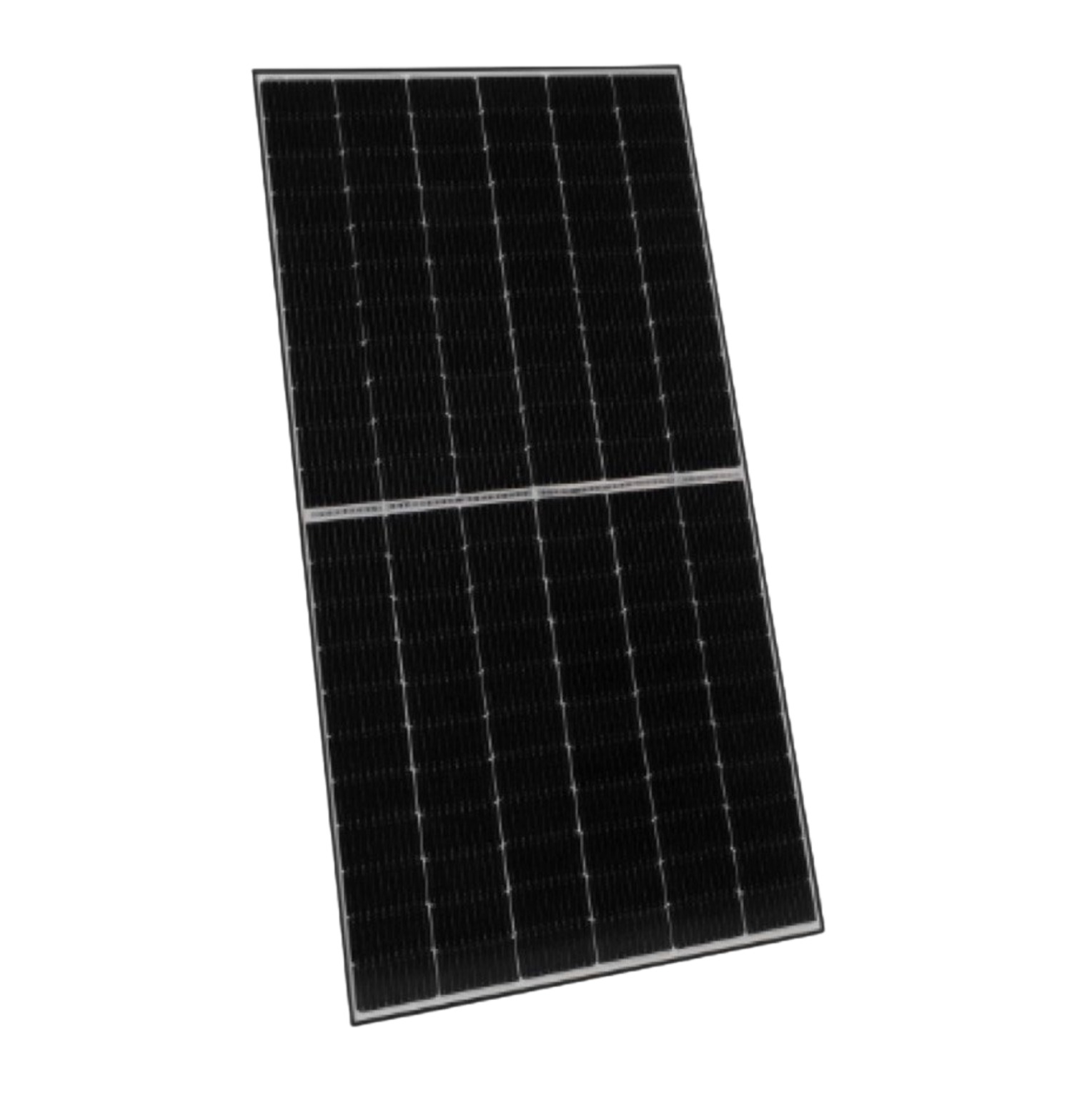
Jinko 440W Solar Panel

Jinko 440W solar panels are one of the most trusted brands in the solar industry.

With their high-efficiency monocrystalline PERC (Passivated Emitter and Rear Cell) technology, Jinko panels are perfect for maximizing energy production. Their solid reputation for quality and reliability makes them a go-to choice for homeowners and businesses alike.

Introducing the Sigenergy Battery

solar system sunshine cost

What Is the Sigenergy Battery?

The Sigenergy Battery is a powerful energy storage solution designed to store excess solar energy generated during the day for use at night or during peak demand times.

It allows you to reduce your reliance on the grid by storing clean, solar energy. This is especially useful for areas with high electricity rates or for customers who want to be energy independent.

How Sigenergy Battery Works with Solar Panels

When paired with solar panels like Seraphim, Aiko, Longi, or Jinko, the Sigenergy Battery stores the excess energy produced throughout the day. It then discharges this energy when your solar panels aren’t producing enough power, such as during the night or cloudy weather. This ensures you have a constant supply of energy without having to rely on the grid.

The battery also acts as a backup power source during power outages, providing peace of mind knowing that you’ll always have access to electricity when you need it most.

Choosing the Right Solar Panel and Battery Combo for You

Factors to Consider When Choosing Your Combo

Energy Needs: Assess your daily energy usage to determine the wattage and number of panels required.

For example, if you need a high power output with fewer panels, Aiko 475W is a great choice. For those seeking a reliable, long-lasting solution, Longi 440W would be ideal.

Budget Considerations: Solar systems can vary greatly in price, and it’s important to balance your budget with the system’s long-term benefits.

The solar system sunshine cost can be affected by the type of panels and battery you choose, but with government incentives, it can be more affordable than ever to switch to solar.

Location: The Sunshine Coast’s sunny climate means you can take advantage of high-performing panels like Seraphim or Jinko, which are perfect for regions with consistent sunlight.

Recommended Combinations for Different Needs

  • For Homeowners: The Seraphim 440W solar panel paired with the Sigenergy Battery is an excellent choice for those seeking a balance between cost and efficiency.
  • This combo will provide you with reliable energy storage and affordable installation costs.
  • For Businesses: The Longi 440W panel combined with the Sigenergy Battery is ideal for businesses with higher energy demands.
  • This setup ensures a higher energy yield and reliable performance over the long term.
  • For High-Energy Users: If you need more power and have limited space, the Aiko 475W paired with the Sigenergy Battery is the perfect solution for maximizing energy production while keeping your system compact.

Cost Breakdown and Return on Investment

Understanding the Cost of Solar Systems on the Sunshine Coast

The installation cost for a solar system, including panels and batteries, can vary depending on the brand, the size of the system, and whether you choose additional features like a Sigenergy Battery.

However, with government incentives and the long-term savings on electricity bills, your solar system sunshine cost can be recouped over time.

How Sigenergy Battery Reduces Long-Term Costs

One of the biggest advantages of the Sigenergy Battery is its ability to help reduce energy costs over time.

By storing excess solar power, the Sigenergy Battery minimizes your reliance on the grid, especially during peak times when electricity rates are higher. This leads to significant savings on your energy bills, further improving your return on investment.

Steps for Installation

Once you’ve chosen your solar panel and battery combo, the installation process typically includes a site assessment, system design, and installation.

Quick Solar ensures a smooth and professional installation, providing you with all the necessary tools and resources to get your solar system up and running.

Choosing the right solar panel and battery combo is an important decision that can have lasting effects on your energy costs and overall sustainability.

By carefully considering your energy needs, budget, and location, you can select the ideal system for your home or business.

Whether it’s Seraphim, Aiko, Longi, or Jinko, paired with the Sigenergy Battery, you’ll enjoy reliable, cost-effective solar energy.

Don’t wait—start your solar journey today with Quick Solar!

Is Bigger Always Better? Choosing Between 15kWh vs 25kWh Sungrow Batteries for 13.2kW Solar

As more Brisbane households adopt renewable energy, battery storage is becoming a crucial part of a complete solar power setup. 

While installing a solar power system helps lower electricity bills, pairing it with a battery takes energy independence a step further. 

It allows you to store unused solar energy during the day and use it in the evening or during blackouts.

In Queensland, where sunshine is abundant and energy usage can be high—especially in summer—solar batteries are more than just a backup. They’re a smart investment in energy security and long-term savings.

For homes running a 13.2kW solar system in Brisbane, one of the most important decisions is selecting the right battery size. Two popular choices from Sungrow are the 15kWh and 25kWh batteries. 

Both are high-quality, scalable, and compatible with Brisbane’s climate. But which one fits your household best?

Why the 13.2kW Solar System Is a Popular Choice

The 13.2kW system has quickly become one of the most installed residential solar setups in Brisbane. It offers a balance of strong solar generation, good value, and future scalability.

Here’s why it works so well for many Brisbane homes:

  • Suited for medium to large households with high energy consumption
  • Ideal for daytime appliance use, such as air conditioning, washing machines, and pool pumps
  • Compatible with EV charging setups
  • Perfect for homes planning long-term solar savings and battery integration

When paired with a battery, this system can significantly reduce grid reliance, especially during peak times when electricity prices are highest.

Meet the Contenders: Sungrow 15kWh vs 25kWh Battery

Choosing between the 15kWh and 25kWh Sungrow batteries comes down to energy habits, household size, and how much backup power you want.

Sungrow 15kWh Battery

  • Storage: 15 kilowatt-hours
  • Ideal for: Medium-sized households with moderate night-time usage
  • Backup time: Approximately 6–10 hours depending on appliance load

Sungrow 25kWh Battery

  • Storage: 25 kilowatt-hours
  • Ideal for: Larger households or homes with high evening usage
  • Backup time: Around 10–16 hours depending on usage

Key Factors to Consider Before Choosing Battery Size

When selecting a battery for your solar power system in Brisbane, here are the key elements to keep in mind:

  1. Energy Consumption
    Households using 20–30kWh per day may find a 15kWh battery sufficient. Larger homes consuming over 35kWh daily will benefit from the higher storage capacity of the 25kWh option.
  2. Day vs Night Usage
    If your family is usually home during the day and uses most energy when the sun is out, a smaller battery might be enough. If you return home in the evening and rely heavily on appliances after dark, a larger battery offers better coverage.
  3. Blackout Protection
    For families who want peace of mind during outages, the 25kWh battery will power more appliances for a longer time—important if you depend on medical equipment, work from home, or need continuous refrigeration.
  4. Future Expansion
    If you’re planning to install an electric vehicle charger or increase household energy use in the near future, it’s worth choosing a larger battery now to avoid upgrades later.
Real-World Scenarios: Which Battery Fits Your Lifestyle?

 solar power system brisbane

Scenario 1: Family of Four with Day Jobs
In a home where most people are away during the day and evening consumption is moderate, the 15kWh battery is usually enough to cover basic lighting, cooking, and entertainment systems after dark.

Scenario 2: Home-Based Business or Large Household
If your energy use is high throughout the day and evening, or you run a business from home with devices constantly running, a 25kWh battery provides greater reliability and more consistent savings.

Scenario 3: Planning for an EV
Even if your current usage is average, planning for electric vehicle ownership means your future energy needs will grow. Investing in a 25kWh battery now helps you stay ready without needing another major upgrade.

Sungrow Battery Performance & Brisbane Climate Compatibility

Brisbane’s climate can get hot and humid, especially in summer. Sungrow batteries are designed with built-in temperature regulation systems to handle the Australian climate efficiently.

Performance Features:

  • Smart cooling to maintain battery efficiency in high temperatures
  • Weatherproof designs for outdoor installation if needed
  • Seamless integration with solar monitoring apps for real-time usage tracking
  • Local service support and compliance with Australian safety standards

Installation Considerations & Space Requirements

Wall or Floor Mounting
Both 15kWh and 25kWh Sungrow batteries are modular, offering flexible installation options. You can mount them on a garage wall or place them on the floor in a weather-protected space.

Space Needed

  • 15kWh battery: Compact, fits in most garages or storage areas
  • 25kWh battery: Larger size, requires more installation space—best to plan in advance

Single vs Three-Phase Compatibility
Your battery choice may depend on whether your home uses a single-phase or three-phase connection. Most homes in Brisbane use single-phase, but larger homes may need three-phase compatibility for optimal performance.

Which Battery Is Right for Your 13.2kW System?

Choosing between the Sungrow 15kWh and 25kWh battery depends on your current usage, future needs, and how much independence you want from the grid.

Choose the 15kWh battery if:

  • Your household has moderate energy use
  • You’re mostly home during the day
  • You want a cost-effective entry into battery storage

Choose the 25kWh battery if:

  • Your home uses high amounts of electricity
  • You want longer blackout protection
  • You’re planning for EV charging or future expansion

Pairing the right battery with a 13.2kW solar system in Brisbane ensures you get the best value, reliability, and return on your solar investment.

Get Expert Advice from Quick Solar

Still not sure which battery is best for your home?

Choosing the right solar battery isn’t just about capacity—it’s about finding the right fit for your lifestyle, energy usage, and long-term goals. That’s where Quick Solar comes in.

As a trusted local provider of solar power systems in Brisbane, we understand the unique energy demands of Brisbane households. 

Whether you’re upgrading an existing setup or installing a new 13.2kW system, our team offers personalised guidance based on real usage data, home layout, and future planning—be it blackout protection, EV charging, or maximising solar savings.


Get started today.
Request your free consultation now and find the perfect solar power system and battery solution for your Brisbane home.


What Makes Quick Solar Different from Other Brisbane Commercial Solar Providers?

As one of Australia’s fastest-growing cities, Brisbane is embracing renewable energy like never before. 

With rising electricity costs and growing environmental awareness, local businesses are turning to solar energy as a sustainable and financially sound solution. 

Whether it’s a factory in Rocklea or an office in Fortitude Valley, more commercial properties are investing in solar to take control of long-term energy expenses.

In this evolving energy landscape, the demand for commercial solar installers in Brisbane has surged. But with many providers claiming to be the best, one question matters more than ever:

What sets Quick Solar apart from the rest?

This blog breaks down exactly why Quick Solar has become a preferred partner for commercial solar solutions across Brisbane and South East Queensland.

Why Choosing the Right Commercial Solar Installer Matters

A commercial solar system is not a small investment. It directly impacts your operational costs, energy independence, and long-term sustainability goals. Choosing the right installer is critical to:

  • Maximising your return on investment (ROI)
  • Ensuring long-term system reliability
  • Complying with Australian safety and electrical standards
  • Avoiding hidden costs or faulty installations 

While the market includes a mix of high-end and budget providers, going with the cheapest option often comes at a hidden cost. 

Poor system design, unaccredited installers, and subpar components can lead to performance issues, lower energy yield, and ongoing maintenance expenses.

Partnering with a qualified, experienced, and transparent installer is the best way to future-proof your investment and achieve optimal performance.

Quick Solar: Brisbane’s Trusted Commercial Solar Partner

commercial solar installers brisbane

Quick Solar is not just another installer. It’s a Brisbane-based company with a sharp focus on commercial-scale solar installations, particularly 50kW solar systems—a common system size for warehouses, schools, aged care centres, and mid-sized commercial buildings.

Quick Solar offers:

  • A highly experienced, Brisbane-based installation team
  • End-to-end project management, from design to final connection
  • A strong track record with local commercial clients
  • Specialisation in grid-connected 50kW solar solutions
  • Transparent quotes and ROI-driven system designs

With a presence throughout South East Queensland, the company supports projects across Brisbane, Ipswich, Logan, Sunshine Coast, and surrounding areas.

What Makes Quick Solar Different?

 Expert System Design Tailored to Business Needs

Quick Solar doesn’t believe in one-size-fits-all solar solutions. Each commercial property is assessed individually to create a custom solar system optimised for your specific energy usage, roof space, and operational hours.

Key design considerations include:

  • Site-specific solar modelling
  • Load profile analysis
  • Advanced performance forecasting
  • Roof layout and shading analysis
  • Recommendations for inverter and panel placement

The result is a system that delivers maximum energy generation, faster payback, and long-term savings.

Tier-1 Solar Panels and Inverters Only

Quick Solar only uses Tier-1 solar panels and inverters that are Clean Energy Council (CEC) approved. This ensures:

  • Superior performance even in Brisbane’s hot summers
  • Lower degradation rates (less loss of efficiency over time)
  • Longer product and performance warranties
  • Compatibility with battery storage and energy monitoring systems

The use of premium hardware not only improves system output but also increases reliability and resale value of the property.

Transparent Pricing and ROI-Focused Proposals

Commercial solar quotes from Quick Solar are designed to be simple, clear, and ROI-focused. Every quote includes:

  • Detailed breakdown of system components and installation
  • Estimated annual energy savings
  • Payback period projections
  • Government rebate calculations (such as STCs)
  • Optional upgrades or add-ons (like battery storage or monitoring systems)

There are no hidden fees or vague estimates—just honest, data-backed insights tailored to your business needs.

CEC-Accredited Installers and Engineers

Quick Solar’s team consists of Clean Energy Council-accredited professionals with extensive experience in large-scale commercial installations. All work is completed to Australian standards and supported by detailed compliance documentation.

Whether the installation is on a tilt roof, flat commercial structure, or carport, the team is trained to deliver quality results with minimal disruption to business operations.

End-to-End Project Management

One of Quick Solar’s strongest points is its full-service approach. Clients don’t need to manage permits, rebate applications, or utility negotiations—Quick Solar handles it all.

Their project management includes:

  • Site inspection and solar feasibility
  • System design and grid approval
  • STC rebate paperwork
  • Final commissioning and system activation
  • Post-installation support and service 

This hassle-free process ensures businesses can stay focused while the solar transition is handled professionally and efficiently.

Proven Track Record in Brisbane’s Commercial Sector

Quick Solar has successfully delivered systems for a wide range of commercial clients in Brisbane. From local government facilities and private schools to logistics companies and aged care centres, their work consistently reflects strong attention to detail and customer satisfaction.

Additional Services That Add Value

Beyond standard solar installations, Quick Solar offers services that enhance long-term system performance and adaptability.

These include:

  • System monitoring with real-time performance tracking
  • Preventative maintenance packages
  • Battery-ready system designs for future storage upgrades
  • EV charger integration for businesses investing in electric fleet vehicles
  • Panel cleaning and inspection services

Such services allow clients to extract more value from their solar investment while supporting broader energy and environmental goals.

Questions to Ask Before Choosing a Commercial Solar Installer in Brisbane

commercial solar installers brisbane


Before committing to any solar installer, Brisbane businesses should ask the following:

  1. Are you CEC-accredited?
  2. Do you have experience in commercial-scale projects?
  3. Will you manage rebates, permits, and grid connections?
  4. What brands of panels and inverters do you use?
  5. Do you offer post-installation support or maintenance services?

Quick Solar confidently answers “yes” to each of these, making them a reliable choice for businesses ready to make the switch to solar.

With energy costs rising and environmental responsibility taking centre stage, commercial solar is no longer optional—it’s a strategic business decision. But getting the best results depends on working with the right team.

Quick Solar has established itself as one of the leading  commercial solar installers in Brisbane by delivering:

  • Bespoke system designs tailored to commercial energy usage
  • Premium, high-efficiency hardware
  • Transparent, ROI-driven pricing
  • Full-service project delivery
  • Proven success across various sectors in Brisbane

If you’re a business looking for reliable, local expertise in solar energy, Quick Solar offers the technical experience and customer service you can count on.

Ready to cut your energy bills with a commercial solar system tailored to your business?
Get a detailed proposal from Brisbane’s trusted solar professionals.

Is a 13.2kW Solar System Enough for Your Gold Coast Home?

Solar energy is no longer just an environmental choice—it’s a smart financial decision for many homeowners. 

Across the Gold Coast, families are increasingly switching to solar to manage rising power bills and reduce their carbon footprint.

With high sunlight hours and rising power bills, installing solar panels in Gold Coast homes is becoming more popular than ever. 

But how do you decide which solar system size is right for your home? 

Among the various options available, the 13.2kW solar system has become a preferred choice for larger homes and energy-heavy households.

In this blog , we’ll help you understand whether a 13.2kW solar system suits your needs, explain what it includes, and explore why more Gold Coast homeowners are investing in solar energy today.

Understanding the 13.2kW Solar System

Before deciding on a solar system, it’s important to understand what a 13.2kW setup actually includes. While the technical details can vary between brands and installers, a typical 13.2kW system generally consists of:

  • 30 to 36 solar panels (depending on panel wattage, typically 370W to 440W per panel)

  • A 10kW inverter, which converts solar energy into usable electricity for your home

This size of the system is particularly popular due to its balanced combination of high energy output and eligibility for standard residential solar rebates in Australia.

Estimated Daily Output in Gold Coast Conditions

Given Gold Coast’s sunny climate, a well-installed 13.2kW solar system can generate around 50 to 55 kilowatt-hours (kWh) of electricity per day on average. On clear summer days, the output can be even higher.

Suitable Home Sizes

A 13.2kW system is typically recommended for:

  • Large homes with 4 to 6 bedrooms
  • Homes with swimming pools or large air conditioning units
  • Households running multiple appliances simultaneously
  • Families planning for future energy needs (e.g., electric vehicles)

It’s an ideal choice if your household consistently consumes higher-than-average electricity.

Factors That Affect Whether 13.2kW Is Enough for You

solar panels gold coast

While a 13.2kW system suits many households, your specific situation can influence whether this size is right for you. Below are the key factors to consider:

  1. Your Household Energy Consumption

On average, a typical Australian home consumes between 20 and 30kWh of electricity per day. However, larger families or homes using high-energy appliances can easily exceed this range.

To assess your consumption:

  • Check your electricity bills for average daily usage over the past 12 months.
  • Identify appliances that run during the day, such as pool pumps or air conditioners.
  • Factor in potential future usage, like working from home or buying an electric car.

If your household regularly consumes more than 35kWh per day, a 13.2kW system could significantly reduce your reliance on grid electricity.

  1. 2. Daytime vs. Nighttime Power Usage

Solar panels generate electricity during daylight hours. If your energy usage is mostly during the day, you can directly consume your solar power. However, if you use most of your electricity after sunset:

  • Without a battery, you will still rely on grid power at night.
  • With a battery storage system, you can store excess energy generated during the day for nighttime use.

Assessing your household’s power usage pattern will help you decide whether to add a battery to your 13.2kW solar system.

  1. Roof Space and Panel Placement

Installing a system of this size requires adequate roof space:

  • Approximately 60 to 80 square metres of unshaded roof area is needed.

For optimal performance:

  • Panels should ideally face north for maximum sunlight exposure.
  • East-west facing panels can help balance morning and afternoon energy generation.

Professional installers will assess your roof orientation and shading factors during the site inspection.

  1. Future-Proofing Your Energy Needs

Energy needs often increase over time. If you are considering:

  • Purchasing an electric vehicle
  • Adding a heated swimming pool
  • Setting up a home office

Benefits of a 13.2kW Solar System in Gold Coast

Choosing a 13.2kW system can provide substantial benefits:

  • Higher feed-in tariff earnings: Excess energy can be exported to the grid, earning credits or payments from your electricity provider.
  • Greater energy independence: Reduced reliance on grid power protects you from rising electricity rates.
  • Faster return on investment (ROI): Combined with Australian government rebates, most homeowners achieve payback in 3 to 5 years.
Why Gold Coast Homes Are Ideal for Solar Panels

solar panels gold coast

Gold Coast’s natural environment and policies make it one of the best places in Australia to invest in solar:

  • Consistent sunshine year-round: Ensures steady energy production.
  • Local government incentives: Ongoing support for solar adoption through rebates and grid feed-in schemes.
  • Experienced local providers: Access to professional installers ensures quality workmanship and long-term support.

With these conditions, homeowners can make the most of their solar investment.

Choosing the Right Installer for Solar Panels in Gold Coast

When it comes to solar installations, choosing the right installer is as important as selecting the right system size. Consider:

  • Clean Energy Council (CEC) accreditation: Ensure your installer and products meet Australian standards.
  • Warranty and after-sales support: Look for extended warranties on both panels and inverters.
  • Experience with large systems: Choose providers experienced in designing and installing larger residential systems like 13.2kW.

Should You Consider Adding a Battery Storage System?

Adding a battery storage system alongside your 13.2kW solar setup has several advantages:

  • Store excess energy during the day.
  • Use stored power during the night or cloudy days.
  • Minimise grid dependency and protect against blackouts.

A 13.2kW solar system offers an excellent solution for large homes or households with high energy consumption in the Gold Coast. With abundant sunshine, local incentives, and the rising cost of electricity, investing in a large system now can secure long-term savings and greater energy independence.

Quick Solar is a leading provider of solar panels in Gold Coast, trusted by homeowners for quality installations, high-efficiency panels, and personalised service. Their expert team designs and installs solar solutions tailored to local energy needs—ensuring that every 13.2kW system delivers reliable performance and value.

Ready to take the next step?
Contact Quick Solar today to get personalised advice and professional installation of high-quality solar panels in Gold Coast.

Top 5 Solar Panel Myths That Might Be Costing You Money

Solar energy is booming in Brisbane. 

With more homeowners looking for long-term energy savings, reduced electricity bills, and sustainable alternatives to grid power, solar panel installations are more popular than ever. 

Queensland’s abundant sunshine, combined with generous rebates and ongoing feed-in tariffs, has made it an ideal location for residential solar adoption.

But despite this growth, many Brisbane residents still hesitate when it comes to solar—often due to outdated myths or misinformation.

These misconceptions don’t just delay the decision-making process; they can also cost you financially by keeping you dependent on expensive power bills longer than necessary.

In this blog ,we’ll break down the top 5 myths about solar panels and why believing them could be holding you back from better energy independence and long-term savings.

Myth #1: Solar Panels Don’t Work on Cloudy or Rainy Days

Best Solar Panels Brisbane

This is one of the most common myths, particularly in Queensland where sudden weather changes and cloudy days are not uncommon.

Many homeowners assume that solar power requires strong, direct sunlight to function—and that panels are useless on grey or rainy days.

Why People Believe It

It’s easy to assume that no sunshine means no solar power. The visual nature of solar panels creates the illusion that they only work when skies are perfectly clear.

The Truth

Modern solar panels, especially high-efficiency Tier-1 systems, are designed to function in low-light conditions. 

They don’t rely solely on direct sunlight. Even on overcast days, panels can generate energy using diffused light—the kind of light filtered through clouds.

Brisbane’s Advantage

Brisbane enjoys well over 280 sunny days per year, making it one of Australia’s most solar-friendly regions. 

Even during the rainy season or cloudy stretches, solar output does not stop—it simply adjusts. 

Over the course of a year, Brisbane homes continue to benefit from strong solar generation across all seasons.

Tip for Homeowners

Opt for high-efficiency solar panels that are rated for low-light performance. These panels ensure consistent output during unpredictable weather.

Myth #2: Solar Is Too Expensive to Be Worth It

Many homeowners still believe that solar panel systems are a luxury, suited only to high-income households. This myth is largely outdated and no longer reflects the reality of solar in Queensland.

The Reality

The cost of installing solar in Brisbane has dropped significantly over the last decade. Combined with federal STC rebates, interest-free solar loans, and rising electricity prices, solar systems are now more accessible than ever.

For example, a standard 6.6kW system—which suits most medium-sized homes—can now be installed for a fraction of what it cost just five years ago. 

The average payback period in Brisbane is now between three to five years, depending on household energy usage.

Consider the Cost of Doing Nothing

Overpaying for electricity adds up over time. 

A household that delays solar installation by even one year could lose out on hundreds—if not thousands—of dollars in avoided energy costs. Installing solar sooner not only saves you money, but also protects you from future energy price increases.

Myth #3: You Need a Battery for Solar to Work

With increasing attention on solar batteries and home energy storage, many people assume that a battery is required to operate a solar system. This simply isn’t true.

Clarifying the Setup

There are two common types of systems: grid-tied solar and solar with battery backup. 

Most homes in Brisbane install grid-tied systems, which generate power during the day. Any excess energy can be exported to the grid, and in return, homeowners receive credits via feed-in tariffs.

Is a Battery Worth It?

A battery is a helpful upgrade for households that want backup power during blackouts or want to store energy for night-time use. 

However, it’s not necessary for everyone—especially at the start. You can always add a battery later as your energy needs grow or as battery prices become more competitive.

Brisbane Homeowners’ Approach

Many homeowners start with a reliable grid-connected system and expand to battery storage later. This keeps the upfront cost lower while still delivering strong savings from day one.

Myth #4: All Solar Panels Are Basically the Same

Best Solar Panels Brisbane

To the untrained eye, solar panels may all look alike. 

They’re flat, black, and sit on the roof. But just as there’s a difference between a budget car and a premium vehicle, not all panels deliver the same value.

Why It Matters

There are three main differences between lower-end and high-quality panels:

  • Efficiency: High-efficiency panels convert more sunlight into energy, meaning you get more output from the same roof space.
  • Durability: Top-tier panels handle Brisbane’s heat and storms better, with stronger build quality and less degradation over time.
  • Warranty: Cheaper panels may only come with short warranties (5–10 years), while Tier-1 panels often come with 25-year performance guarantees.

What Makes a Tier-1 Panel?

Tier-1 panels are manufactured by established companies with a strong financial track record and a history of quality assurance. 

They’re known for:

  • High yield
  • Reliable performance
  • Strong backing and support
Myth #5: Solar Doesn’t Increase Home Value

This is another widely believed myth—and one that can discourage homeowners who might move within a few years.

The Truth

Solar is seen as a valuable home upgrade by many buyers. 

In fact, homes with solar systems:

  • Often sell faster
  • Attract more offers
  • Can command a higher price due to lower ongoing energy costs

In an energy-conscious market like Brisbane, solar is increasingly seen as a standard feature, much like air conditioning or an updated kitchen. Buyers are actively seeking homes that come with solar included.

Bonus: Lower Holding Costs

While you’re still living in the property, you’re also saving on energy every month—so even if you sell in a few years, you’ve already gained financial benefit.

 Don’t Let Solar Myths Cost You More

Let’s recap the key myths that can cost Brisbane homeowners real money:

  1. Solar doesn’t work on cloudy days – It does, especially with high-efficiency panels
  2. It’s too expensive – Today’s systems are affordable and offer fast returns
  3. You need a battery – Grid-connected systems work just fine without one
  4. All panels are the same – Quality panels perform better, last longer, and save more
  5. Solar doesn’t add home value – It does, especially in Queensland’s competitive real estate market

Falling for any of these myths could mean missed savings, longer payback periods, or investing in the wrong system. 

Don’t let outdated assumptions stand between you and smarter energy choices.

At Quick Solar, we provide the best solar panels in Brisbane to help you maximize savings and enjoy reliable, clean energy for years to come. 

With years of experience and expertise in the solar energy sector, we offer tailored solar solutions for both residential and commercial properties. 

Our high-performance solar panels ensure optimal energy efficiency, providing you with long-term savings and minimal environmental impact.

Ready to start saving?
Get expert advice and explore the best solar panels in Brisbane today