
A solar power system is a set of panels installed on your roof that capture sunlight and turn it into electricity your home or business can use — reducing or even replacing the power you buy from the grid.
On the Sunshine Coast, this is a very smart move. The region gets between 5.5 and 8.5 peak sun hours per day depending on the season. That is more than enough to power a typical household and then some.
A complete solar system usually includes three main parts:
- Solar panels on your roof that capture sunlight.
- An inverter that converts that energy into usable electricity.
- A battery (optional but increasingly popular) that stores leftover energy for night-time use.
You can start with panels alone and add a battery later. But many people on the Sunshine Coast are now doing both from day one.
Most homes stay connected to the electricity grid and use solar to reduce what they draw from it. Off-grid systems are fully independent but suit remote properties better. For most Sunshine Coast homeowners, an on-grid or hybrid setup makes the most financial sense.
Why Solar Matters on the Sunshine Coast in 2026
- Your climate is perfect for it
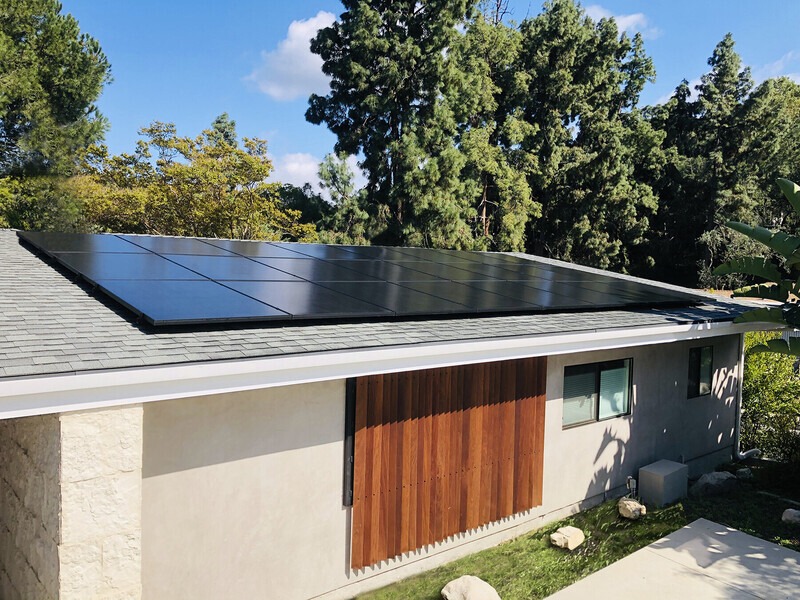
The Sunshine Coast has some of the strongest sun exposure in Australia. Every kilowatt of panels you install generates around 4.2 kilowatt-hours of electricity per day on average. That adds up to massive savings over a year.
- Power bills keep climbing
Electricity prices across Queensland have been rising steadily. Solar lets you generate your own power at no ongoing cost. The more you generate and use yourself, the less you pay to the grid.
- Rebates are still generous — but they won’t last forever
The federal Small-scale Technology Certificate (STC) scheme gives you an upfront discount when you install solar. A separate federal battery rebate (the Cheaper Home Batteries Program) offers around 30% off storage costs. Both reduce in value a little each year until 2030. Acting sooner means bigger savings.
One thing most beginners don’t realise until later: the feed-in tariff — what your energy retailer pays you for surplus solar sent back to the grid — has dropped to just 5 to 8 cents per kilowatt-hour in Southeast Queensland. Meanwhile, buying power from the grid costs far more. That gap means your real goal should be to use your own solar first, not export it.
How a Solar System Works — Step by Step
- Sunlight hits your panels
Solar panels absorb sunlight using photovoltaic (PV) cells. The stronger the sun, the more electricity they produce. On the Sunshine Coast, this happens consistently for most of the year.
- The inverter converts the power
Panels produce DC (direct current) electricity. The inverter converts this into AC (alternating current) electricity, which is what your appliances and lights actually use. The inverter is the most important piece of hardware in your system.
- Your home uses it first
Any power your solar system generates goes directly to your home’s appliances first. You only draw from the grid when your solar isn’t producing enough — like at night or on heavily overcast days.
- Leftover power goes to battery or grid
If you have a battery, excess solar charges it up so you can use that power in the evening. Without a battery, surplus power flows back to the grid and earns a small credit on your electricity bill.
- Your smart meter tracks everything
Energex installs a smart meter that measures how much power you draw from the grid and how much you export. Most modern systems also come with a phone app so you can track your production and savings in real time.
- You save money on every bill
Because you’re generating free electricity during the day, your grid usage drops significantly. Most Sunshine Coast homes with a well-sized system see meaningful savings on their quarterly electricity bills.
This is why a solar system on the Sunshine Coast produces energy consistently for most of the year.
Common Mistakes Beginners Make

Going solar is one of the best decisions you can make on the Sunshine Coast — but there are a few traps worth knowing about before you sign anything.
- Choosing a system that is too small
A 6.6kW system was the standard a few years ago. In 2026, with rising electricity use, electric vehicles, and pools becoming more common, most experts recommend at least 10kW if your roof allows it. Undersizing your system means you will outgrow it faster than you expect.
- Going with the cheapest quote
Dozens of solar companies have appeared and disappeared on the Sunshine Coast over the years, leaving homeowners with failing systems and worthless warranties. A quality CEC-accredited installer with a real local track record is worth every cent.
- Ignoring coastal corrosion requirements
If your home is within 5km of the beach, your panels and racking must be salt-mist certified. Standard equipment will corrode over time, and your warranty may be void. This is a Sunshine Coast-specific issue that interstate or out-of-town companies often miss.
- Assuming a high feed-in tariff makes batteries pointless
Many beginners think they will earn good money by selling power back to the grid. But at 5 to 8 cents per kilowatt-hour exported versus the much higher cost of buying power, the maths strongly favours storing and using your own energy. Battery payback periods have shortened significantly thanks to recent rebates.
- Waiting for prices to fall further
Solar panel prices have largely stabilised. But government STC rebates decrease each year on their way to zero in 2030. Every year you wait, the rebate gets smaller. Waiting rarely pays off.
Frequently Asked Questions About Solar on the Sunshine Coast
Q: How much does a solar system cost on the Sunshine Coast in 2026?
We do not publish fixed prices here because the right system depends on your home, your energy use, your roof type, and whether you want a battery. The best approach is to get free, no-obligation quotes from trusted local installers. Quick Solar can connect you with CEC-accredited professionals who will give you an honest number based on your actual situation.
Q: Is the Sunshine Coast a good place for solar panels?
Absolutely. The Sunshine Coast is consistently rated one of the best locations in Australia for solar. The region receives an average of 5.8 peak sun hours per day year-round, with spring months reaching 8.5 hours. Around 40% of local homes already have solar installed — one of the highest rates in the country.
Q: How long does it take to pay back a solar system?
For most Sunshine Coast homes, a well-sized solar system pays for itself in four to six years. Systems paired with batteries typically take a bit longer but offer greater savings and energy independence. Commercial systems often pay back faster because businesses use most of their power during daylight hours — exactly when solar is producing.
Q: Do I need a battery with my solar panels?
You do not need a battery to go solar, but it makes a lot more sense now than it did a few years ago. Battery costs have dropped significantly, and with the gap between what you earn exporting power and what you pay to import it, storing your solar energy is far more valuable. A battery also gives you backup power during outages.
Installing a solar system on the Sunshine Coast is one of the best decisions you can make
Ready to Go Solar on the Sunshine Coast?
Going solar is one of the best decisions a Sunshine Coast homeowner or business owner can make right now. The sun is free. The technology is proven. The rebates are real. And the savings start from the very first bill.
The hardest part is knowing who to trust. That is exactly what Quick Solar is here for.
Quick Solar connects Sunshine Coast homeowners with trusted, local, CEC-accredited installers. You get free quotes, honest advice, and zero pressure. No hidden fees. No pushy sales calls. Just the right solar solution for your home.