
The energy landscape on the Gold Coast is shifting beneath our feet. What was once a simple matter of bolting panels to a roof to shave a few dollars off a quarterly bill has evolved into a sophisticated game of digital management and grid participation.
As we move beyond 2026, the “set and forget” mentality is officially dead. Understanding the future of gold coast solar power solutions is no longer just for the eco-conscious; it is a fundamental requirement for any homeowner or business looking to maintain financial predictability in an increasingly volatile energy market.
Where Gold Coast Solar Power Solutions Stand in 2026
As of 2026, the Gold Coast remains one of the most solar-dense regions in Australia.
However, the market has matured. The federal STC (Small-scale Technology Certificate) rebates have continued their scheduled annual decline, making the efficiency and sizing of a system more critical than ever.
Standard 6.6kW systems, once the industry benchmark, are being rapidly phased out by savvy consumers in favor of larger, more robust gold coast solar power solutions, such as the 13.2kW configuration. This shift is driven by a massive surge in household electrification—specifically the transition to electric cooking, heat pump hot water, and the near-ubiquity of home EV charging stations. We are currently in the “Battery Decade,” where storage is no longer a luxury but the engine that drives ROI.
Top Trends Shaping the Future of Gold Coast Solar Power Solutions
The Rise of AI-Driven Energy Management (EMS)
Solar systems are becoming sentient. Modern inverters are now integrated with AI software that analyzes local Bureau of Meteorology data and your specific usage patterns to decide when to store energy, when to use it, and when to sell it.
Why it matters: It removes human error. You no longer need to remember to “run the dishwasher at noon.”
Impact: Businesses and residents see a 15–20% increase in efficiency compared to “dumb” solar setups, ensuring gold coast solar power solutions remain profitable even as feed-in tariffs fluctuate.
Vehicle-to-Home (V2H) Integration
Your electric vehicle is no longer just a mode of transport; it is a 60kWh+ mobile battery sitting in your driveway. Beyond 2026, bi-directional charging allows your car to power your home during the evening peak.
Why it matters: It potentially triples your storage capacity without the cost of a dedicated wall battery.
Impact: Gold Coast commuters can charge at work (or via solar during the day) and eliminate their evening grid reliance entirely.
Virtual Power Plants and Peer-to-Peer Trading
The “Big Three” energy retailers are facing competition from decentralized networks. VPPs allow thousands of Gold Coast households to link their batteries, acting as a single giant power plant to support the grid during emergencies.
Why it matters: You get paid a premium for your energy during “events,” often far exceeding standard feed-in tariffs.
Impact: It transforms gold coast solar power solutions from a cost-saving measure into a genuine revenue stream for the average family.
Ultra-High-Efficiency N-Type and Perovskite Panels
The hardware is reaching new heights. N-type solar cells have become the standard, offering better performance in the Gold Coast’s high-temperature environment and significantly lower degradation rates over 25 years. Why it matters: More power from the same roof footprint. Impact: Smaller roof spaces in high-density areas like Surfers Paradise or Broadbeach can now generate industrial-grade power levels.
Dynamic Export Limits and Solar Soaking
Energy distributors in Queensland are moving toward flexible exports. Instead of a flat limit, your ability to export to the grid changes in real-time based on grid congestion.
Why it matters: It forces a shift toward “solar soaking”—using your energy locally rather than trying to send it back to a saturated grid.
Impact: This trend makes high-capacity gold coast solar power solutions paired with smart appliances essential for avoiding “wasted” generation.
Circular Economy and Solar Recycling
As the first generation of 2010-era panels reaches end-of-life, the Gold Coast is seeing the birth of a dedicated solar recycling industry.
Why it matters: It addresses the “green waste” paradox, ensuring old systems don’t end up in landfill.
Impact: Increased consumer trust and a more sustainable lifecycle for the entire industry.
How These Trends Will Impact You
For the Gold Coast resident, the impact is a shift in “Energy Agency.” You are moving from being a consumer to a “prosumer.”
If you are a business owner in areas like Burleigh Heads or Yatala, these trends mean you can finally decouple your overheads from the rising cost of wholesale electricity.
The integration of AI and larger systems means your cool rooms, machinery, and offices can run on 100% self-generated power, with the excess being traded on the VPP market to offset your nighttime costs.
For beginners, it means the “entry-level” system has changed; a system without smart monitoring or battery-readiness is now considered obsolete from day one.
What You Should Do Now
- Size Up for the Future: Don’t buy for your 2024 needs; buy for your 2028 needs. With EVs and electric heating, your energy demand will likely double. A 13.2kW system is the new sweet spot for future-proofing.
- Demand “Smart” Components: Ensure your inverter is VPP-ready and supports “API integration” for smart home devices.
- Audit Your Roof: Before the next wave of panel technology, ensure your roof is structurally sound and free of shade from growing trees or new neighboring developments.
- Invest in Local Expertise: The Gold Coast has a unique salt-mist environment. Only choose gold coast solar power solutions that use Tier-1 hardware rated for coastal corrosion.
Why Quick Solar is the Trusted Choice for Gold Coast Solar Power Solutions
Navigating the rapid shifts in energy technology—from AI-driven inverters to VPP-ready hardware—requires more than just an installer; you need a partner who understands the local landscape.
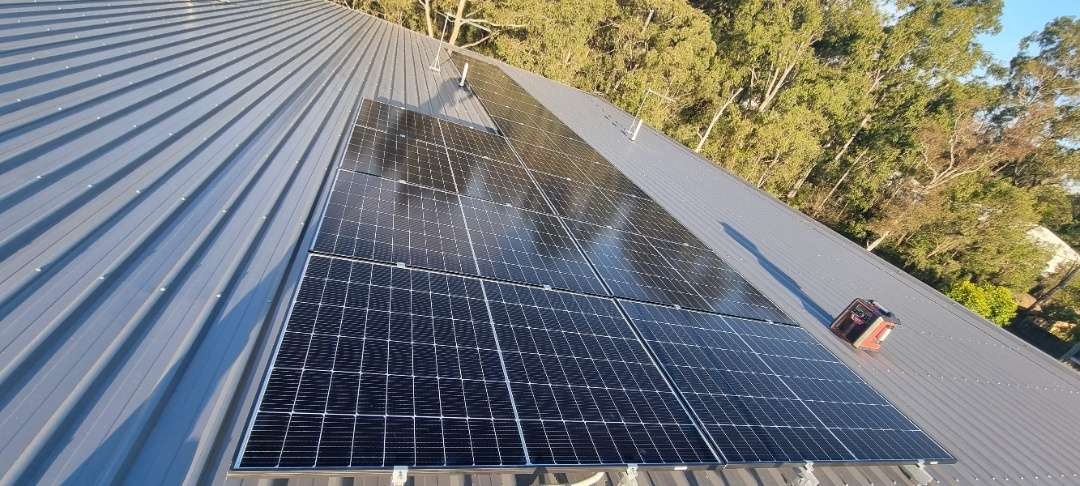
At Quick Solar, we specialize in the specific demands of the Gold Coast environment. We don’t just install panels; we design comprehensive energy ecosystems. Our team is at the forefront of the 2026 energy shift, ensuring that every 13.2kW solar system we deploy is future-proofed, coastal-rated, and fully integrated with the latest smart-monitoring technology.
Common Mistakes to Avoid
- Undersizing the system: Choosing a smaller system to save money now can lead to much higher costs later through missed savings and expensive upgrades.
- Ignoring Battery Compatibility: Installing a system in 2026 that isn’t “hybrid-ready” is a major financial error.
- Chasing the Lowest Price: Cheap “no-name” panels often fail within 5 years due to the Gold Coast’s intense UV and salt air.
- Neglecting Maintenance: Even the best gold coast solar power solutions need a professional health check every 2 years to ensure the AI and hardware are communicating correctly.
FAQ
Q: Is a 13.2kW system too big for a standard Gold Coast home?
A: Not anymore. With the rise of EVs and the shift away from gas, a 13.2kW system provides the necessary buffer to ensure you aren’t drawing from the grid during expensive peak periods.
Q: Will my solar panels survive a Gold Coast storm?
A: Modern Tier-1 panels are rated for high wind speeds and hail. However, the future of gold coast solar power solutions involves professional mounting systems specifically designed for Queensland’s “Cyclonic Region” standards.
The future of energy on the Gold Coast is bright, decentralized, and incredibly smart. By embracing the shift toward larger systems, AI management, and battery integration, you aren’t just saving money—you are gaining independence. The window to “get ahead” of these 2026 trends is closing, so the time to audit your energy strategy is now.
Ready to future-proof your home?
Explore our 13.2 kW Solar System Gold Coast solutions and take control of your energy destiny today.