Secure Federal Government Solar Battery Rebate Now Secure Federal Government Solar Battery Rebate Now Secure Federal Government Solar Battery Rebate Now

Fox ESS Battery vs Growatt Battery — Which Is Better for Home Solar Storage?

So you’re looking for a home solar battery. You’ve probably seen two names come up over and over: Fox ESS and Growatt. Both are widely used. Both use the same safe LiFePO₄ chemistry. And both promise to reduce your electricity bills.

But they’re not the same. Not even close.

This blog breaks it all down in plain English — no jargon, no confusion. By the end, you’ll know exactly which battery makes sense for your home, your needs, and your lifestyle.

We’ll also explain why more and more homeowners in 2026 are choosing Quick Solar instead of picking a brand themselves.

Deep Dive: Fox ESS Battery

 solar providers brisbane

Fox ESS was founded in 2016 and has grown remarkably quickly. They’re now the number one residential battery brand in the UK and Europe by shipments, according to S&P Global. That’s a big deal in a crowded market.

Their main home batteries are the EP series (wall-mounted, from 5.76kWh to 11.52kWh) and the EQ series. Both use LiFePO₄ cells — which means no risk of thermal runaway. In plain English: they’re very unlikely to overheat or catch fire under normal use.

Learn more 

Fox ESS — Pros

  • Ranked #1 in UK residential storage (S&P Global)
  • Smart app with AI optimisation and real third-party integrations
  • Wide capacity range — from 5.76kWh up to 144kWh
  • Built-in self-heating element for cold climates
  • 10–12 year warranty depending on the model
  • BNEF Tier 1 status — financially stable, technically reliable

Deep Dive: Growatt Battery

 solar providers brisbane

Growatt has been around since 2010 — six years longer than Fox ESS. They started out making inverters and moved into batteries in 2019. Today, they’re one of the largest residential inverter suppliers in the world, with products in over 180 countries.

Their battery range is broad. The ARK series is stackable and modular — you start with a small unit and add more as your energy needs grow. The ALP and APX series offer low- and high-voltage options for different home setups. The GBLI6532 is a well-known model for smaller homes, rated for 6,000 cycles.

Growatt’s biggest strength is accessibility. Their entry-level range makes solar battery storage more reachable for homeowners who want to start small and scale later. They also have one of the widest installer networks in the world, which matters when something needs fixing.

Learn more 

Growatt — Pros

  • Accessible entry-level range — start small and expand modularly
  • Established company — in the market since 2010
  • One of the widest global installer networks
  • LiFePO₄ chemistry — safe and long-lasting
  • Good fit if you already have Growatt inverter hardware

Side-by-Side Verdict

Affordability

Growatt is generally the more accessible option to get started with. Their modular ARK system lets you begin with a small unit and grow from there — which suits homeowners who want to ease into solar storage without committing to a large system upfront. Fox ESS tends to sit higher on the cost spectrum but packs in more features for what you get.

For those starting out on a tighter budget, Growatt has the edge here.

Features

Fox ESS pulls clearly ahead on features. Fox Cloud 2.0, AI-driven scheduling, and Home Assistant integration give it a real advantage for anyone on a smart tariff like Octopus Flux — or anyone who wants their system to work intelligently without constant manual input. Growatt’s ShinePhone app feels basic by comparison and doesn’t offer the same depth of third-party connectivity.

Fox ESS also has a much higher capacity ceiling. Their H3 Pro inverter can support up to 144kWh of total storage — far beyond what Growatt’s ALP series can handle.

Ease of Use

Honestly, neither brand is perfect here. Fox ESS users report scheduling bugs and WiFi dongle issues. Growatt users report confusing app setup and connectivity drops after router changes. In practice, the quality of your installation and after-sales support matters far more than the brand name on the battery.

Who Should Choose Which?

Choose Fox ESS if:

  • You want the most well-supported battery in the UK residential market right now
  • You’re on a smart tariff and want reliable time-of-use scheduling
  • You plan to expand your system capacity significantly over time
  • You use Home Assistant or want deep third-party app integration
  • You want a longer warranty period (12 years on the CQ6 series)

Choose Growatt if:

  • You want to start with a smaller system and scale up gradually
  • You already have Growatt inverter equipment installed
  • You don’t need advanced monitoring or smart tariff features
  • Your installer has solid hands-on experience with the Growatt ecosystem
  • Keeping your initial system size modest is a priority

Why Quick Solar Is the Modern Alternative

Here’s something neither brand will tell you: most complaints about Fox ESS and Growatt aren’t actually about the batteries themselves. They’re about the installation and what happens after it.

A misconfigured app. A WiFi issue nobody follows up on. A warranty question that gets ignored. These problems almost always trace back to the installer — not the hardware sitting on your wall.

That’s exactly where Quick Solar makes the difference.

Quick Solar doesn’t push one brand. We look at your home, your energy usage, and your goals — then we recommend the combination that genuinely fits you. Sometimes that’s Fox ESS. Sometimes it’s Growatt. Sometimes it’s something else entirely.

More importantly, we set everything up properly. We configure your monitoring app, walk you through your system before we leave, and stay reachable when questions come up later. We explain your warranty in plain English — before you commit to anything.

If you read the reviews for Fox ESS and Growatt, you’ll find the same complaint again and again: people felt abandoned after installation day. Quick Solar is built around solving that exact problem.

Want a solar battery system that actually works for your home — and is backed by people who stick around? Get in touch with Quick Solar today.

FAQ

 solar providers brisbane

  1. Is Fox ESS better than Growatt in 2026?

For most UK homeowners right now, yes — Fox ESS has better software, a higher capacity ceiling, and holds the top market position in the UK. That said, if you already have Growatt hardware or want a simple modular system to start small, Growatt remains a solid option.

  1. Are Fox ESS and Growatt batteries safe?

 Yes, both are safe. They both use lithium iron phosphate (LiFePO₄) chemistry — widely considered the safest type of lithium battery. Fox ESS has reported zero combustion incidents across its entire global installed base.

  1. How long does a Growatt battery last?

Most Growatt batteries are rated for 6,000 cycles with a 10-year warranty. The catch is a throughput limit hidden in the warranty terms — if you discharge heavily every single day, coverage may effectively end closer to eight years. Always read the full warranty document before purchasing.

  1. Does Fox ESS work with Home Assistant?

Yes. Fox ESS has well-developed Home Assistant integration through Fox Cloud 2.0. It’s one of the main reasons tech-minded homeowners tend to favour Fox ESS — you get detailed, real-time data and automation options that Growatt’s ShinePhone simply doesn’t offer.

  1. Can I pair a Fox ESS battery with a Growatt inverter?

Generally, no. Both brands are designed to work within their own ecosystems. Growatt has actually made this stricter recently — firmware updates now block most third-party battery communication in closed-loop mode. Fox ESS similarly performs best paired with its own inverter range.

Sig Energy Battery + Premium Solar Panels: Why Quick Solar Ranks Among the Best Solar Providers in Brisbane

If you live in Brisbane, you already know how strong the sun can be. Long, bright days are perfect for solar power. That is why more homeowners are looking for the best solar providers Brisbane has to offer. They want lower electricity bills. They want reliable systems. And most of all, they want peace of mind.

Among the many options available, Quick Solar has built a strong name. With trusted products like the Sig Energy Battery and premium solar panels from Seraphim and AIKO, they offer complete solar solutions for Brisbane homes.

Let’s look at why more families are choosing Quick Solar.

Why Solar Makes Sense in Brisbane

Brisbane enjoys high sunshine levels almost all year. That means your roof can generate a lot of energy. When installed properly, solar panels can power your home during the day and reduce your reliance on the grid.

Electricity prices in Queensland have been rising. Many families feel the pressure every quarter when the bill arrives. Solar helps reduce that stress. Over time, the savings add up.

But the key is choosing the right installer. A cheap system that fails after a few years will only cause frustration. That is why finding the best solar providers Brisbane homeowners trust is important.

What Makes Quick Solar Different?

There are many solar companies in Brisbane. Some focus only on selling panels. Others outsource installations. Quick Solar focuses on quality and proper installation.

They work with trusted brands. They design systems that match your home’s energy use. And they explain everything in simple terms.

Homeowners often say they appreciate clear communication. No confusing language. No hidden surprises. Just honest advice and solid work.

When people search for the best solar providers Brisbane offers, they are looking for:

  • Quality products
  • Skilled installers
  • Fair pricing
  • Good after-sales support

Quick Solar checks those boxes.

The Power of Sig Energy Battery

Solar Panels Brisbane

Solar panels generate power during the day. But what happens at night? That is where the Sig Energy Battery comes in.

A battery stores extra power your panels produce. Instead of sending all unused energy back to the grid, you can save it for later. This helps you use more of your own electricity.

Benefits of the Sig Energy Battery include:

  • Backup power during outages
  • Lower evening electricity use
  • Better use of solar energy
  • Greater energy independence

In Brisbane, summer storms can sometimes cause blackouts. A battery gives families comfort during those times. Lights stay on. The fridge keeps running. Life continues smoothly.

For many households, adding a Sig Energy Battery turns a good solar system into a complete energy setup.

Premium Solar Panels: Seraphim 440W

Panel quality matters. Good panels last longer and produce more power over time.

Quick Solar offers the Seraphim 440W panels. These panels are known for solid performance and durability. They are built to handle tough weather conditions, including heat and heavy rain.

In Brisbane’s climate, strong performance in high temperatures is important. Some panels lose efficiency when it gets hot. Quality panels like Seraphim are designed to handle Australian conditions better.

With 440W output, fewer panels may be needed to generate the same amount of energy compared to lower-watt panels. This can be helpful if roof space is limited.

AIKO 475W: Higher Output for Bigger Needs

For homeowners who want even more power, Quick Solar also offers AIKO 475W panels

These panels provide higher wattage, which means more electricity from each panel. This is useful for larger households or homes with:

  • Air conditioning running often
  • Electric vehicles
  • Pool pumps
  • High daily energy use

With higher-output panels, you can generate more power without covering your entire roof. That makes the system neat and efficient.

When combined with a Sig Energy Battery, AIKO panels can help homes rely less on the grid and more on their own energy.

A Complete Solar and Battery Solution

Solar Panels Brisbane

Some companies sell panels. Others focus on batteries. Quick Solar provides both.

A well-designed system includes:

  1. Quality solar panels
  2. A reliable inverter
  3. A Sig Energy Battery (if needed)
  4. Professional installation
  5. Ongoing support

When all parts work well together, the system runs smoothly for years.

Homeowners in Brisbane often prefer dealing with one trusted provider instead of multiple contractors. It reduces confusion and makes future service easier.

That is another reason why Quick Solar is seen among the best solar providers Brisbane families recommend.

Local Experience Matters

Solar is not just about products. It is also about proper installation.

Brisbane has its own building styles, roof types, and weather patterns. A local team understands these factors. They know how to:

  • Position panels for maximum sunlight
  • Secure them against strong winds
  • Follow local regulations
  • Handle grid connection properly

Quick Solar’s local knowledge gives homeowners confidence. When installers understand Brisbane conditions, the system performs better over time.

Clear Advice, No Pressure

Many homeowners feel overwhelmed when speaking with solar sales teams. Too much technical talk can be confusing.

Quick Solar focuses on simple explanations. They look at your electricity bills. They ask about your usage. Then they suggest a system that fits.

They do not push oversized systems just to increase the price. Instead, they aim for the right balance between cost and long-term savings.

That honest approach builds trust. And trust is important when investing in solar.

Long-Term Value Over Short-Term Deals

It can be tempting to choose the cheapest quote. But the lowest price does not always mean the best value.

Poor installation can lead to roof leaks. Cheap panels may degrade faster. Weak support can leave you stranded if something goes wrong.

By using trusted brands like Seraphim and AIKO, along with the Sig Energy Battery, Quick Solar focuses on systems that last.

Solar is a long-term investment. A well-installed system can provide savings for 20 years or more. Choosing quality from the start makes a big difference.

Why Brisbane Homeowners Keep Choosing Quick Solar

When people search for the best solar providers Brisbane has, they are often comparing:

  • Product quality
  • Battery options
  • Warranty support
  • Customer reviews
  • Local experience

Quick Solar stands out because it combines all these elements.

They provide strong panel options such as Seraphim 440W and AIKO 475W. They offer the Sig Energy Battery for energy storage. And they back it all with local service.

That combination gives homeowners confidence in their choice.

Is Solar with Battery Right for You?

Not every home needs a battery immediately. Some households start with panels and add a battery later.

But if you:

  • Use a lot of power at night
  • Want backup during outages
  • Prefer greater independence from the grid

Then adding a Sig Energy Battery may be worth considering.

A quick consultation with Quick Solar can help you decide. They can explain expected savings and payback time in clear terms.

Brisbane is one of the best places in Australia for solar energy. The sun is strong. The savings potential is real.

But the results depend on who installs your system.

With trusted products like the Sig Energy Battery, Seraphim 440W panels, and AIKO 475W panels, combined with skilled local installation, Quick Solar has earned its place among the best solar providers Brisbane homeowners rely on.

If you are thinking about installing solar or upgrading your current system, it may be time to speak with Quick Solar. A well-planned system today can mean lower bills and greater comfort for many years to come.

Meet the Fox ESS CQ6 – A Smarter Solar Battery for Brisbane

Brisbane has become one of the most active cities in Australia when it comes to solar energy. With plenty of sunshine throughout the year, more homeowners are choosing solar panels as a smart way to power their homes.

But many people soon realise one thing. Installing solar panels alone is not always enough. 

Solar energy is produced during the day, while most households use more power in the evening. 

This gap is where a smart battery makes a real difference.

A solar battery helps store the energy your panels generate, so it can be used later when the sun goes down. 

This is exactly where the Fox ESS CQ6 fits in. It is designed to work smoothly with solar panels and help Brisbane homes get more value from their solar systems, without adding complexity.

Why Brisbane homes need smart solar storage

Brisbane’s sunny climate is perfect for solar energy. On most days, solar panels generate more power than a home uses during daylight hours. 

Without a battery, this extra energy often goes back to the grid.

Evenings are different. Lights, cooking, cooling, and entertainment usually happen after sunset. This is when many homes still rely on grid electricity.

A smart solar battery helps balance this. It stores excess energy during the day and supplies it later. This reduces reliance on the grid and helps households stay more energy independent.

For homeowners using solar panels Brisbane properties are known for, a battery turns daytime sunlight into usable power around the clock.

Introducing the Fox ESS CQ6 solar battery

solar panels brisbane

The Fox ESS CQ6 is a modern home battery designed with everyday living in mind. It has a clean and compact look, which suits both indoor and outdoor spaces commonly found in Brisbane homes.

Rather than focusing on complex technical details, the CQ6 focuses on simple energy storage. It quietly stores solar power during the day and makes it available when your home needs it most.

It is suitable for Australian households and works well with common residential solar setups, making it a practical choice for local conditions.

What makes the Fox ESS CQ6 different

One of the main strengths of the Fox ESS CQ6 is how naturally it fits into daily life.

It connects easily with solar panels and works in the background without constant attention. Once installed, it manages energy storage smoothly, helping households rely more on their own solar power.

The CQ6 is also known for its quiet operation. This makes it suitable for homes where peace and comfort matter. Its low-maintenance design means fewer worries after installation, which many homeowners appreciate.

How the Fox ESS CQ6 works with solar panels in Brisbane

 solar panels brisbane

During the day, rooftop solar panels generate electricity from sunlight. When the home does not need all of that energy at once, the Fox ESS CQ6 stores it safely.

As evening arrives and solar production slows, the battery supplies stored power back to the home. This helps run lights, appliances, and other essentials without drawing as much energy from the grid.

Because Brisbane has a warm and sunny climate, the CQ6 works comfortably throughout the year. It is designed to handle local weather conditions, making it a good match for solar panels Brisbane homeowners already use.

Benefits of using the Fox ESS CQ6 for Brisbane homeowners

Adding a solar battery brings several everyday benefits.

First, it helps households make better use of the energy they already generate. Instead of sending excess solar power away, it is saved for later use.

Second, it gives homeowners more control over their energy habits. Power can be used when it is needed most, rather than depending fully on external supply.

The battery also offers support during power interruptions, helping keep essential household functions running.

Most importantly, it supports cleaner living. By using more solar energy and less grid power, households can move toward a more sustainable lifestyle.

Fox ESS CQ6 for new and existing solar systems

The Fox ESS CQ6 works well for both new and existing solar setups.

If you are planning a fresh solar installation, the battery can be added from the start to create a balanced system. This allows your solar panels and battery to work together from day one.

For homes that already have solar panels, the CQ6 can be added as an upgrade. This is especially useful for Brisbane households that want to improve their current solar performance without changing their panels.

Its flexible design allows it to suit different household energy needs without making things complicated.

Why Fox ESS batteries are trusted worldwide

Fox ESS Battery is known internationally for focusing on safety, reliability, and long-term use. Their batteries are designed for residential environments and built with care for everyday conditions.

The brand places strong importance on safe battery chemistry and stable performance. This gives homeowners confidence that their energy storage system is dependable over time.

Because of this approach, Fox ESS batteries are used in many regions with similar climates to Brisbane, making them a trusted choice for local homes.

Why choose Quick Solar for Fox ESS in Brisbane

Choosing the right installer is just as important as choosing the right battery.

Quick Solar understands Brisbane homes, weather conditions, and energy needs. Their local experience helps ensure solar panels and batteries are set up correctly and efficiently.

Quick Solar provides complete solutions, from solar panels to battery storage, along with professional installation and ongoing support. 

Their approach is clear and honest, focusing on helping homeowners make informed decisions rather than pushing sales.

For Brisbane residents, working with a local solar team makes the entire process smoother and more reliable.

Solar energy continues to be a smart long-term choice for Brisbane homes. With abundant sunshine, solar panels provide a strong foundation for cleaner and more independent energy use.

The Fox ESS CQ6 takes this one step further. By storing solar power for later use, it helps households get more value from their solar panels and reduce reliance on the grid.

With smart storage, better energy control, and a design suited to Brisbane conditions, the Fox ESS CQ6 offers a future-ready solution for homeowners looking to make the most of solar panels Brisbane homes are increasingly choosing.

If you’re thinking about adding a solar battery or upgrading your current setup, speak with the local team at Quick Solar to see how the Fox ESS CQ6 can fit your home and energy needs

Solar Installed but Bills Still High? Sigenergy Battery Can Help

Many Brisbane homeowners install solar expecting their electricity bills to drop straight away. The panels go up, the meter starts spinning differently, and the first few sunny days feel promising. Then the next bill arrives—and it’s still higher than expected.

This situation is more common than most people realise. Residential solar panels in Brisbane do generate clean power, but panels alone do not always deliver the savings people hope for. The missing piece is often how and when that power is used.

In this blog , we’ll explain why solar bills can stay high, what causes the gap in savings, and how a Sigenergy Battery can help Brisbane homes use more of their own solar power. 

We’ll also touch on how Quick Solar helps homeowners design solar and battery systems that actually reduce ongoing power costs.

Why Residential Solar Panels in Brisbane Don’t Always Cut Bills

Solar panels work best during the day. They generate power when the sun is out, usually between mid-morning and mid-afternoon. But most households don’t use the bulk of their electricity at those times.

In many Brisbane homes, power use peaks in the evening. Air conditioners switch on. Ovens and cooktops get used. Lights, TVs, and charging devices all add up after sunset.

When solar panels produce more power than the home needs during the day, the extra electricity is sent back to the grid. While you do receive a feed-in credit, that rate is usually much lower than the price you pay to buy electricity later.

So even with solar installed, many households still end up buying grid power at night, which keeps bills higher than expected.

The Common Mistake Brisbane Homeowners Make After Installing Solar

residential solar panels brisbane

A very common assumption is that solar panels alone are enough. Many homeowners believe once the system is installed, the savings will automatically follow.

The problem is that without a way to store unused daytime energy, solar power is only helpful when the sun is shining. Once the sun goes down, the home returns to grid electricity.

Rising power prices make this more noticeable. Even small amounts of grid usage in the evening can add up over a billing cycle. Without storage, homeowners have little control over when their solar energy is used.

Understanding the Real Gap in Residential Solar Systems

The real issue with residential solar panels in Brisbane isn’t how much solar power your panels generate, but how much of that power your household actually uses.

During the day, excess solar is exported. At night, electricity is imported again. Feed-in credits rarely match the cost of buying electricity, so the balance works against the homeowner.

This gap—between producing solar energy and using it—is the reason many Brisbane households see smaller savings than expected.

What Is a Sigenergy Battery and How Does It Work?

solar system sunshine cost

A Sigenergy Battery is a home energy storage system designed to work alongside residential solar panels. Instead of exporting unused solar power to the grid, the battery stores it for later use.

When the sun sets or when solar production drops, the battery supplies power to the home. This allows households to use their own solar energy in the evening and at night.

The system operates quietly in the background. It automatically charges during the day and discharges when needed, without daily input from the homeowner.

How Sigenergy Battery Helps Brisbane Homes Save More

By storing daytime solar energy, a Sigenergy Battery reduces the amount of electricity a household needs to buy from the grid.

Instead of relying on grid power during peak evening hours, the home runs on stored solar energy. This improves overall solar usage and helps lower monthly bills.

Another benefit is predictability. With more control over where your power comes from, bills become more stable and easier to manage, even as electricity prices change.

Why Sigenergy Battery Is a Smart Choice for Brisbane Homes

Brisbane’s climate makes solar a strong option, but the way energy is used matters just as much. Sigenergy batteries are designed to support modern residential solar systems and daily household needs.

They are compact, quiet, and suitable for homes with limited space. The system is built to handle regular charge and discharge cycles, making it reliable for everyday use.

For households that use air conditioning, electric cooking, or home office equipment in the evening, battery storage adds real value.

Residential Solar Panels Brisbane Homes + Battery = Better Control

residential solar panels brisbane

Solar panels generate electricity. A battery stores it. Together, they allow homeowners to decide when their solar power is used.

Instead of sending energy away during the day and buying it back later, more power stays within the home. This reduces reliance on the grid and improves overall savings.

For many Brisbane households, adding a battery completes the solar setup and turns generation into real, usable value. This gap between generating solar energy and consuming it is why many homes with residential solar panels in Brisbane see less savings than they anticipated.

Who Benefits Most from Adding a Sigenergy Battery

Some households see stronger benefits from battery storage than others. These include:

  • Families who use most of their power in the evening
  • Work-from-home households
  • Homes with frequent air conditioner use
  • Properties charging electric vehicles overnight
  • Anyone wanting more control over electricity costs

If your home produces solar power during the day but uses most electricity after sunset, a battery can make a noticeable difference.

Solar with Battery vs Solar Without Battery

Without a battery, solar savings depend heavily on daytime usage and feed-in rates. Grid power is still needed every evening.

With a battery, stored solar energy supports the home during peak hours. Grid use drops, bills become steadier, and the system works closer to its full potential.

Over time, this difference can add up, especially as electricity prices continue to rise.

Why Choose Quick Solar for Residential Solar Panels in Brisbane

Choosing the right system matters as much as choosing the right equipment. Quick Solar focuses on helping Brisbane homeowners design systems that suit how they actually use power.

Rather than offering one-size-fits-all solutions, Quick Solar looks at usage patterns, roof space, and future needs. This approach helps ensure that solar panels and battery storage work together effectively.

Homeowners benefit from clear advice, proper system design, and ongoing support.

When Is the Right Time to Add a Sigenergy Battery

If your electricity bills are still high after installing solar, it may be time to review your setup. Other signs include increased evening power use or concern about rising grid prices.

Many homeowners also choose to add a battery when planning long-term energy savings or upgrading their home’s energy system.

Upgrade Your Solar System the Smart Way

Solar panels are a strong first step, but storage makes the system complete. A Sigenergy Battery helps Brisbane homes use more of their own clean energy and reduce reliance on the grid.

Installing solar is a smart move, but panels alone may not deliver the savings many Brisbane homeowners expect. The real issue is unused daytime energy and continued grid reliance at night.

A Sigenergy Battery helps bridge that gap by storing solar power for later use. Residential solar panels in Brisbane work best when paired with storage.

With the right system design and support from Quick Solar, homeowners can close the solar savings gap and take better control of their electricity bills.

Solar Batteries for Renters & Strata Living: What’s Possible in Australia

Solar energy adoption across Australia continues to grow, but renters and apartment residents are often unsure whether solar batteries are realistic for their living situation. 

In cities such as Brisbane, where a large portion of the population lives in rental homes or strata-managed buildings, this question is becoming increasingly relevant.

Rising electricity prices, increased blackout risks, and growing awareness of energy independence have pushed many renters and strata committees to explore battery storage. 

While installing a battery is more straightforward for homeowners, it is no longer out of reach for renters or apartment residents. The key lies in choosing the right system and understanding the legal and technical framework.

This blog explains the real options available today, the challenges renters face, how shared battery systems work in strata properties, and how modern battery technologies can suit different property types.

Challenges for Renters Using Solar Batteries in Australia

solar battery renters Australia

Limited Control Over Property Changes

Renters do not own the property, which means:

  • Permanent electrical upgrades require landlord approval
  • Wall-mounted or hardwired battery systems may not always be allowed
  • Decisions depend on lease duration and landlord interest

This is why searches for solar battery renters Australia are increasing, as tenants look for flexible solutions.

Cost vs Length of Stay

Solar batteries are a long-term investment. Renters may hesitate because:

  • Payback periods can exceed lease terms
  • Upfront costs are not always recoverable
  • Future relocation may make fixed systems impractical

Space and Installation Restrictions

Battery placement requires:

  • Adequate ventilation
  • Compliance with Australian electrical standards
  • Suitable wall or floor space

In many rentals, switchboards and layouts limit available options.

Are Solar Batteries a Practical Option for Renters?

In many cases, yes — but not always through traditional installations.

Some landlords are open to battery installations where:

  • The system improves property value
  • Government incentives reduce upfront cost
  • The tenant plans to stay long term

In other situations, modular and scalable battery systems provide a more flexible alternative. These systems can work with existing solar or be installed in a way that minimises permanent changes.

Strata Solar Battery Solutions Explained

For apartments, townhouses, and multi-dwelling buildings, strata solar battery solutions are often more practical than individual installations.

How Shared Battery Systems Work

A shared system typically includes:

  • Solar panels installed on common rooftops
  • One or more central battery storage units
  • Smart metering to allocate usage

Energy generated during the day is stored and then distributed across apartments or used for common property loads such as lifts, lighting, and car parks.

Benefits for Strata Properties

Shared battery systems help strata communities:

  • Reduce common area electricity costs
  • Maximise limited roof space
  • Lower reliance on peak grid electricity
  • Improve sustainability ratings

For newer developments and retrofitted buildings, this approach is becoming increasingly common.

Legal and Technical Considerations in Queensland

solar battery renters Australia

Strata and Owners Corporation Approval

Before installing any battery system, approval is usually required from:

  • The owners corporation or body corporate
  • Relevant strata committees
  • Sometimes local councils

Proposals typically include technical drawings, safety documentation, and installer credentials.

Safety and Compliance

All battery systems must comply with:

  • Clean Energy Council standards
  • Queensland electrical safety regulations
  • Manufacturer installation guidelines

Professional installation is critical, particularly in shared buildings.

Solar Battery Options Suitable for Different Property Types

Modern battery technology allows systems to be matched to different usage patterns, whether for individual homes, rentals, or strata developments. The following battery options are commonly used across residential and shared installations in Australia.

solar battery renters Australia

Sungrow Battery – Reliable and Scalable Storage

Sungrow batteries are known for their stability and compatibility with a wide range of solar inverters. They are often used in:

  • Townhouse complexes
  • Small apartment blocks
  • Homes looking to expand battery capacity over time

Their modular design allows systems to grow as energy needs increase, which suits both strata committees planning phased installations and homeowners who want future flexibility.

Learn more About Sungrow battery 

Fox ESS Battery – Flexible and Scalable Storage

Fox ESS batteries are well suited for homes and small strata properties that need a balance between performance and flexibility. These systems are designed to work with modular configurations, allowing capacity to be increased over time.

Best suited for:

  • Owner-occupied homes
  • Long-term rental properties (with owner approval)
  • Small apartment buildings

Key advantages:

  • Scalable battery modules
  • Compatible with hybrid solar inverters
  • Suitable for both indoor and outdoor installation

Fox ESS batteries are often chosen where future expansion is expected, making them practical for growing households or shared energy systems.

Learn more about Foxess Battery 

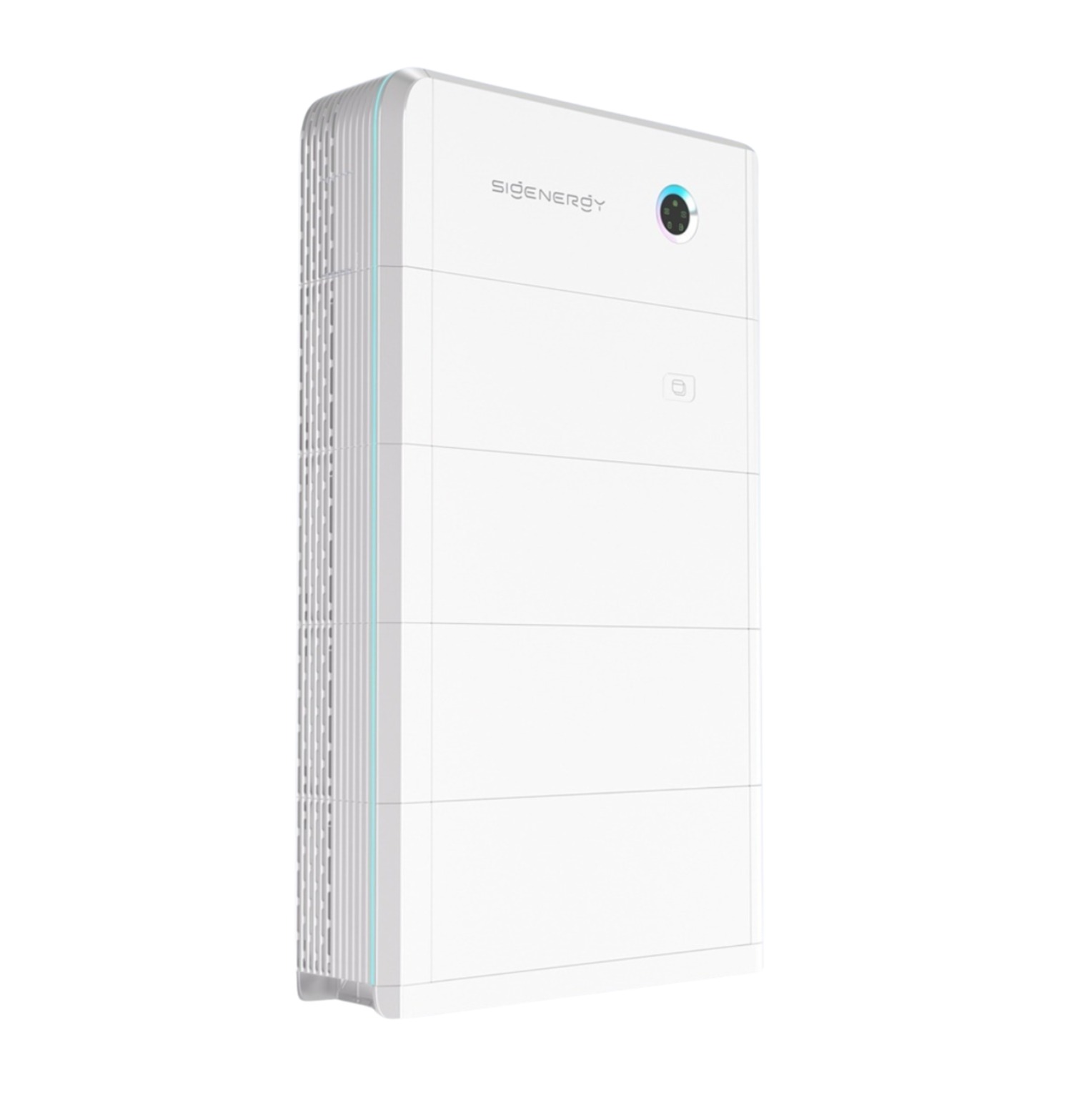
Sigenergy Battery – Smart Energy Management Focus


Sigenergy batteries are designed for properties looking for advanced energy management features. These systems integrate storage, monitoring, and energy control into a single platform, which helps optimize solar usage.

Best suited for:

  • Modern homes
  • Tech-enabled households
  • Strata developments with smart metering

Key advantages:

  • Intelligent energy management
  • Compact and integrated design
  • Supports optimisation of solar self-consumption


Learn more about Sigenergy Battery 

For properties where energy tracking and efficient usage matter, Sigenergy batteries provide a structured and controlled approach to storage.

Growatt Battery – Cost-Effective Residential Storage

Growatt batteries are widely used across Australian residential solar systems. They are known for reliability and value, making them a popular option for households looking to reduce evening grid usage.

Best suited for:

  • Standard residential homes
  • Budget-conscious solar users
  • Rental properties with limited capacity needs

Key advantages:

  • Good compatibility with Growatt inverters
  • Straightforward installation
  • Suitable for smaller energy storage requirements

Growatt batteries are often selected where simplicity and affordability are key decision factors.

Learn more About growatt Battery 

Choosing the Right Battery for Renters and Strata Properties

Selecting the right battery depends on several factors:

  • Whether the system is individual or shared
  • Available installation space
  • Daily energy consumption patterns
  • Future expansion plans

For renters, flexibility and landlord approval are key considerations. For strata buildings, system scalability and fair energy allocation matter most.

A professional site assessment helps determine:

  • Correct battery size
  • Suitable installation location
  • Compliance requirements
Financial Incentives and Long-Term Value

While renters usually do not claim rebates directly, landlords and strata bodies may access:

  • Federal small-scale technology incentives
  • Feed-in tariff benefits
  • Long-term reductions in common area electricity bills

These benefits often make shared battery systems financially viable, particularly in Brisbane where electricity demand peaks in the evening.

Solar batteries are no longer limited to homeowners with standalone houses. Renters and strata residents now have realistic pathways to energy storage through shared systems, modular designs, and landlord-approved installations. Understanding the limitations, legal process, and suitable battery technology is essential before making any decision.

Quick Solar supports this transition by offering tailored solar battery solutions designed for different property types, including rentals and strata buildings. 

With experience in modern battery systems and local installation requirements, the team helps assess feasibility, approvals, and system compatibility. 

Their approach focuses on practical system design, safety compliance, and long-term performance rather than one-size-fits-all installations. This ensures each property receives a battery setup that aligns with real usage needs and future scalability.

As battery technology continues to evolve, flexible and scalable solutions are making solar storage accessible to a much wider group of Australians.

Not sure which solar battery option suits your rental, townhouse, or strata building?
Get advice based on your property type, usage needs, and approval requirements before moving forward.

Solar + EV Charging: How to Power Your Electric Vehicle With Solar Batteries

Electric vehicles are becoming increasingly popular across Brisbane as households look for cleaner and more cost-effective transport options. 

At the same time, more homeowners are investing in rooftop solar and battery storage to reduce electricity bills and reliance on the grid. 

When these two technologies are combined, the result is a practical and efficient way to charge an electric vehicle at home using solar power.

This blog explains how solar batteries can charge EVs, compares grid charging with solar charging costs, outlines the best system setups for Brisbane homes, and shares realistic cost examples. If you are considering a solar EV home setup, this guide will help you understand what works and what to expect.

How Solar Batteries Can Charge Electric Vehicles

solar battery EV charging Australia

A solar battery stores excess electricity generated by your solar panels during the day. Instead of exporting unused energy back to the grid, the battery keeps it available for later use. This stored power can then be used to charge your electric vehicle, especially during the evening or overnight.

How the System Works

A typical solar and EV charging setup follows this process:

  1. Solar panels generate electricity during daylight hours.
  2. Household appliances use solar power first.
  3. Any surplus energy charges the battery.
  4. The battery supplies power to the EV charger when required.

In Brisbane, where solar generation remains strong for most of the year, this system is highly effective. Even in winter, many households generate enough surplus energy to support partial or full EV charging.

Smart EV Charging

Modern EV chargers can be programmed to work alongside solar batteries. Features may include:

  • Charging only when solar or battery power is available
  • Avoiding grid electricity during peak tariff periods
  • Adjusting charging speed based on household energy demand

These settings help maximise solar usage and reduce electricity costs over time.

Charging an EV with Solar and Battery Storage

Once a solar and battery system is installed, the cost of charging your EV using stored solar energy is significantly lower. While there is an upfront investment, ongoing charging costs are minimal.

Best Solar and Battery Setup for EV Charging in Brisbane

Choosing the right system size is essential. The ideal setup depends on your daily driving distance, household electricity usage, and available roof space.

Recommended Solar Panel Sizes

For Brisbane homes with EVs, common system sizes include:

  • 6.6 kW solar system
    Suitable for light EV use or daytime charging only.
  • 10 kW solar system
    Ideal for regular EV charging and average family energy use.
  • 13 kW solar system
    Best for high-consumption households or multiple electric vehicles.

Due to strong solar conditions in Queensland, many EV owners benefit from systems of 10 kW or larger.

Battery Storage Options

Battery size determines how much solar energy can be stored for later EV charging.

  • 10 kWh battery
    Covers partial EV charging or short daily commutes.
  • 13 to 15 kWh battery
    Suitable for full overnight charging for most EVs.
  • 20 kWh or larger battery
    Recommended for long commutes or homes with more than one EV.

A larger battery provides greater flexibility, especially if most charging happens outside daylight hours.

Real Cost Examples for Brisbane Households

Example 1: Single EV, Average Household

  • 10 kW solar system
  • 13.5 kWh battery
  • One EV driven 40 km per day

Outcome:
Approximately 80 percent of EV charging is supplied by solar and battery power. 

Example 2: Two EV Household

  • 13 kW solar system
  • 20 kWh battery
  • Smart EV charger installed

Outcome:
High self-consumption of solar energy with minimal grid use.

Example 3: Solar Without Battery

  • 6.6 kW solar system
  • Daytime EV charging only

Outcome:
Lower upfront cost, but limited charging flexibility. Savings depend on ability to charge during daylight hours.

These examples show why many Brisbane homeowners choose to include battery storage when planning a solar EV home setup.

Why Solar Battery EV Charging Makes Sense in Brisbane

solar battery EV charging Australia

Brisbane’s climate supports consistent solar generation throughout the year. This makes solar battery systems particularly effective for EV charging.

Key advantages include:

  • High average sunshine hours
  • Strong solar output even outside summer months
  • Better returns on solar and battery investments compared to many other regions

Local providers such as Quick Solar design systems based on Queensland conditions, ensuring solar and battery setups match household and EV charging needs.

Important Considerations Before Installing

Before installing a solar battery EV charging system, consider the following:

  • Driving habits: Daily distance and charging frequency
  • Future plans: Additional EVs or higher energy usage
  • Electrical capacity: Switchboard and wiring upgrades may be required
  • Battery lifespan: Most batteries last 10 to 15 years

A professional assessment ensures the system is sized correctly from the start.

Get a Tailored EV and Solar System Quote

Every household’s energy needs are different. A properly designed system ensures you get the most value from your investment while reducing reliance on the grid.

At Quick Solar, we design customised solar, battery, and EV charging solutions tailored to your home’s energy usage, vehicle type, and lifestyle. 

Our team focuses on smart system design, quality components, and long-term performance — not one-size-fits-all packages.

With a strong understanding of Australian conditions and local energy requirements, Quick Solar helps homeowners maximise solar self-consumption, reduce electricity bills, and future-proof their homes for EV charging. 

From initial consultation and system design to installation and ongoing support, we manage the entire process to ensure a smooth and reliable experience.

If you are planning a solar EV home setup in Brisbane, speak with a local specialist who understands your area and usage patterns.

Request a tailored EV and solar system quote today and find out how solar batteries can power your electric vehicle efficiently at home.

Solar Battery Maintenance & Lifespan: What You Need to Know

As electricity prices continue to rise across Queensland, more households in Brisbane are investing in solar batteries to reduce grid dependence and manage energy costs more effectively. 

While installing a solar battery is a smart step, its long-term value depends on two key factors: how long the battery lasts and how well it is maintained.

Understanding solar battery lifespan in Australia and following proper solar battery maintenance practices can help homeowners protect their investment, avoid premature replacements, and get consistent performance from their solar system in 2025 and beyond.

Why Solar Battery Lifespan Matters for Australian Homes

Electricity prices across Australia, particularly in Queensland, have increased steadily over recent years. 

Solar batteries allow households to store excess solar power generated during the day and use it in the evening when grid electricity is more expensive.

However, the financial benefits of a battery depend on how long it continues to perform efficiently. 

A shorter-than-expected lifespan can reduce savings and increase long-term costs.

Importance of Battery Performance and Longevity

A longer-lasting battery offers:

  • Stable energy storage over many years
  • Better return on investment
  • Fewer disruptions and replacement expenses

For Brisbane homeowners, choosing a battery suited to local climate conditions is essential for achieving a reliable solar battery lifespan in Australia.

Average Solar Battery Lifespan in Australia

solar battery maintenance

Typical Lifespan of Lithium-Ion Batteries

Most residential solar batteries installed in Australia today use lithium-ion technology. On average, these batteries last between 10 and 15 years, depending on how they are used and maintained.

Battery lifespan is often measured in charge cycles rather than calendar years. A battery that completes more charge–discharge cycles while maintaining capacity is considered longer lasting.

Impact of Australian Weather Conditions

Australia’s climate plays a major role in battery lifespan. In Brisbane, high summer temperatures and humidity can place additional stress on battery systems.

Environmental factors that affect lifespan include:

  • Prolonged exposure to heat
  • Poor ventilation around the battery unit
  • Installation in direct sunlight

Correct placement and ventilation can significantly extend solar battery lifespan in Australia, especially in warmer regions.

Factors That Affect Solar Battery Lifespan

Several technical and behavioural factors influence how long a battery performs effectively.

Heat and Temperature Exposure

Excessive heat is one of the biggest contributors to battery degradation. Batteries installed in shaded, well-ventilated locations generally last longer than those exposed to heat or enclosed spaces.

Charging and Discharge Cycles

Regular deep discharging places more strain on batteries. Systems that maintain balanced charge levels tend to experience slower degradation.

Installation Quality and Usage Habits

Incorrect installation, poor wiring, or mismatched system sizing can shorten battery life. How households use stored energy also affects long-term performance.

Solar Battery Maintenance: What Homeowners Should Know

solar battery maintenance

Why Solar Battery Maintenance Is Important

Although modern batteries are designed to be low-maintenance, solar battery maintenance remains important for:

  • Maintaining efficiency
  • Identifying issues early
  • Ensuring warranty compliance

Routine checks help avoid unexpected failures and performance drops.

What Maintenance Is Required vs What Is Not

Most batteries do not require hands-on servicing by homeowners. Instead, maintenance involves monitoring system performance and ensuring the installation environment remains suitable. Internal repairs should always be handled by qualified professionals.

Simple Solar Battery Maintenance Tips

Ventilation and Cleanliness

Ensure the battery area is clean, dry, and well-ventilated. Avoid blocking airflow or storing items near the battery enclosure.

Monitoring Battery Performance

Many systems include monitoring apps that show:

  • State of charge
  • Energy usage patterns
  • System alerts

Regular monitoring allows homeowners to detect issues before they become serious.

When Professional Inspection Is Needed

Professional inspections are recommended if:

  • Error messages appear frequently
  • Storage capacity drops noticeably
  • The system shuts down unexpectedly
Popular Solar Battery Types Used in Australia

Several battery brands are commonly installed in Australian homes.

Fox ESS Battery

Fox ESS batteries are known for stable performance and flexible system expansion. They suit Brisbane homes looking for reliable storage with scalable options.

Learn more 

Sigenergy Battery

Sigenergy batteries offer advanced energy control and smart monitoring features. These systems are suitable for homeowners who want efficient solar battery maintenance and system visibility.

Learn more 

Growatt Battery

Growatt batteries are popular due to their compatibility with a wide range of inverters and their cost-effective design. They provide dependable performance for everyday residential use.

Learn more

Sungrow Battery

Sungrow batteries are designed for Australian conditions and are recognised for strong build quality, reliable charging cycles, and consistent lifespan in warmer climates.

Learn more

Do Solar Batteries Need Regular Servicing?

Manufacturer Guidelines

Most manufacturers recommend periodic inspections rather than frequent servicing. Following these guidelines helps maintain safety and performance.

Warranty and Safety Considerations

Unauthorised repairs or improper handling can void warranties. Always rely on accredited installers or service providers for maintenance work.

How Government Programs Impact Battery Lifespan in 2025

Battery Incentives and Approved Systems

Government incentive programs often support batteries that meet strict safety and performance standards. Approved systems are generally tested for durability and long-term reliability.

Safety and Compliance Standards

Australian compliance standards ensure batteries operate safely under local conditions, which contributes to improved lifespan and system stability.

Choosing the Right Solar Battery for Long-Term Performance

solar battery maintenance

Battery Brand Selection

Choose batteries designed for Australian weather and supported by strong warranties.

Installer Experience and Warranty Support

Experienced installers ensure correct setup, which directly affects battery lifespan and ongoing reliability.

Getting the Most from Your Solar Battery in 2025

Understanding solar battery maintenance and solar battery lifespan in Australia helps Brisbane homeowners make informed energy decisions. 

With correct installation, smart usage habits, and regular monitoring, solar batteries can deliver dependable performance for many years.

As electricity costs continue to rise, maintaining your solar battery properly ensures better savings, consistent energy access, and stronger long-term value from your solar investment. In addition, homeowners can benefit from the current solar rebate structure, with the existing STC factor extended until April 2026, making it a favourable time to invest in solar batteries and related upgrades.

Quick Solar is a Brisbane-based solar energy provider helping Australian homeowners make smarter decisions about solar panels and battery storage. 

With a strong understanding of local energy conditions, government rebates, and system performance, Quick Solar focuses on delivering reliable installations designed for long-term value. 

The team works closely with homeowners to ensure solar batteries are correctly sized, properly installed, and maintained to perform efficiently in Australian conditions.

Thinking about improving your solar battery performance in Brisbane?
Get expert guidance on battery selection, maintenance, and system setup to extend lifespan and maximise your solar savings.

Australia Solar Battery Incentives Explained (And Why Acting Now Saves You More)

In recent years, solar batteries have become an essential part of Australia’s move towards renewable energy. With the rising cost of electricity across the country, solar batteries offer homeowners and businesses a chance to reduce their reliance on the grid, store excess energy, and lower energy bills.

However, installing a solar battery system can still be costly. Fortunately, the Australian government offers solar battery rebates to help reduce the upfront investment. 

These rebates, which are available at both the federal and state levels, make solar battery systems more affordable and accessible to a wider range of people.

In 2025 and 2026, there are important changes to the solar battery rebate program, and acting sooner rather than later can help you save significantly. In this post, we will explain the solar battery rebate Australia, how the rebate amount is calculated, upcoming changes in the rebate program, and a step-by-step guide on how to claim your rebate.

Federal & State Rebates Available

solar battery backup power Australia

Federal Rebates: The Small-scale Renewable Energy Scheme (SRES)

The Small-scale Renewable Energy Scheme (SRES) is a federal initiative designed to help Australians reduce the upfront cost of installing solar systems, including solar batteries. Through this program, eligible households and businesses can receive Small-scale Technology Certificates (STCs).

STCs are issued based on the size of your system and can be traded to reduce the cost of your installation. For solar batteries, the amount of STCs you can claim depends on:

  • The size of your solar battery system
  • The location of your property
  • The installation date

The number of STCs available is adjusted based on factors such as the year of installation, making it important to take advantage of this federal rebate before changes are made.

State-Based Rebates: The Cheaper Home Batteries Program

In addition to the federal rebates, there are also state-based incentives designed to make solar batteries more affordable. The Cheaper Home Batteries Program is an initiative aimed specifically at reducing the cost of solar batteries for Australian households.

In Queensland

Queensland homeowners can benefit from state-based subsidies under the Cheaper Home Batteries Program 2025. This program offers discounts that reduce the upfront cost of installing a solar battery system, making it easier for households to store energy generated by solar panels.

The program focuses on:

  • Providing savings for larger battery systems
  • Offering support for both new installations and replacements
  • Ensuring that the rebate remains affordable for all eligible households

To qualify for the rebate, homeowners need to meet certain eligibility requirements, including income and energy consumption thresholds.

How the Rebate Amount is Calculated

The rebate amount for solar batteries is determined based on several factors. These include:

  1. Battery Size: Larger systems that store more energy tend to receive higher rebates. The size of the solar battery system installed on your property will directly affect the rebate you can claim.
  2. Location: The rebate amount can vary depending on where you live. States with higher electricity costs or greater energy demand may offer higher rebates to encourage more people to adopt solar energy solutions.
  3. Eligibility: To qualify for the rebate, you need to meet the eligibility criteria. This often includes being a homeowner, having an existing solar panel system installed, and being within the rebate program’s income and consumption limits.
  4. System Installation Date: Rebates are adjusted over time, so the date of installation can affect how much you can claim. As of 2025–26, rebates are expected to gradually decline, so it’s important to act sooner rather than later.

Upcoming Changes: Yearly Decline in Solar Battery Rebate Amounts

One of the most important things to understand about the solar battery rebate in Australia is that the incentive level will gradually reduce over time. This change reflects the ongoing decline in battery prices and the government’s plan to balance long-term support with market maturity.

According to the proposed changes for 2026, the STC factor will remain unchanged for the early part of the year but will decrease from May onwards.

  • January to April 2026:
    The STC factor will remain at 8.4, meaning eligible customers can still access the same rebate levels currently available. Installing a solar battery or solar system during this period allows homeowners to secure higher government incentives.

  • May to December 2026:
    From 1 May 2026, the STC factor is proposed to drop from 8.4 to 6.8. This reduction means the rebate amount will be lower, increasing the out-of-pocket cost for installations completed after this date.

In practical terms, households that install before May 2026 can receive a noticeably higher rebate compared to those who delay. This change highlights why acting early can significantly improve the overall return on investment for solar battery and solar panel systems.

From 2025–26 onwards, rebate values will be adjusted each year, meaning households that delay installation may receive a lower benefit compared to those who act earlier.

What Does This Mean for You?

  • The rebate will decrease annually
    Starting in 2025–26, the rebate available for solar battery systems will begin to taper. As shown in the updated STC factor schedule, the rebate value reduces progressively each year through to 2030. Waiting longer could mean missing out on higher incentives currently available.

  • Installing before 2026 can save more
    For many Brisbane households, installing a solar battery before the next major reduction takes effect can result in noticeably lower upfront costs. Locking in today’s rebate levels helps maximize the return on your investment.

  • Battery prices are falling, but incentives still matter
    While solar battery prices continue to decline, government rebates still play a major role in improving affordability. Even with lower rebate values in future years, early adopters benefit from both higher incentives and earlier electricity bill savings.

How Solar Battery Support Will Change Based on System Size

The Cheaper Home Batteries Program will continue to support battery installations of up to 100 kWh, covering residential and small commercial systems. However, the way rebates are calculated will shift to better reflect system size and declining battery costs.

Adjustments to Discount Calculations

Discount calculations have been updated to align with falling battery costs while aiming to maintain an average discount of around 30% across a wide range of battery sizes. This ensures smaller systems continue to receive strong support, while larger systems receive a proportionate level of assistance.

STC Factor Applied by Battery Capacity

The STC Factor will taper depending on the total installed battery capacity:

  • From 0 kWh up to 14 kWh (inclusive):
    STC Factor applied at 100%
    This ensures strong support for typical residential battery systems.

  • Every kWh greater than 14 kWh and up to 28 kWh (inclusive):
    STC Factor applied at 60%
    This tier is designed for larger households and higher energy usage.

  • Every kWh greater than 28 kWh and up to 50 kWh (inclusive):
    STC Factor applied at 15%
    This applies mainly to large homes and small commercial systems.

This tapered structure encourages efficient system sizing while continuing to support larger installations where needed.

Why Acting Now Still Makes Financial Sense

With the STC factor reducing year by year and system-size adjustments now in place, the financial advantage of early installation is clear. Households installing solar batteries sooner can:

  • Access higher rebate levels
  • Reduce upfront installation costs
  • Start saving on electricity bills earlier
  • Improve long-term return on investment

For Brisbane homeowners and businesses assessing solar storage, understanding these changes is critical to timing your installation correctly.

Step-by-Step to Claim Rebates

commercial solar installers brisbane

If you’re considering installing a solar battery system, here’s how you can claim your rebate:

  1. Install a Solar Battery System: The first step is to have a certified solar battery installer assess your property and install your system. Be sure to choose an installer who is familiar with the local rebate requirements.

  2. Check Eligibility: Ensure you meet the eligibility criteria for both federal and state-based rebates. This may include factors like your system size, energy consumption, and location.

  3. Apply for STCs: Once your system is installed, you can apply for Small-scale Technology Certificates (STCs). These certificates can be claimed through your installer, who will reduce the cost of your solar battery installation upfront.

  4. Submit Your Rebate Application: After installation, you’ll need to submit a rebate application through your state’s designated online portal or directly with your installer.

  5. Receive Your Rebate: Once approved, the rebate will be applied to your installation cost, or you may receive a cash payment. The exact process depends on your state and the rebate program you qualify for.
Check Your Eligibility Now

For businesses and large properties planning solar battery installations, choosing experienced commercial solar installers Brisbane is critical. System sizing, rebate eligibility, and compliance all play a major role in maximising savings under the current incentive programs.

Quick Solar is an Australian solar specialist supporting homes and businesses with tailored solar and battery solutions. With local expertise and a strong understanding of current rebate programs, the team helps customers maximize incentives and choose the right solar battery system based on real energy needs.

Don’t miss out on the chance to save on your solar battery installation! Check your eligibility for rebates today and take advantage of government incentives before they decrease.

Check Your Eligibility with Quick Solar

How to Choose the Right Size Solar Battery for Your Home (With Real Examples)

Installing a solar battery is one of the most effective ways Brisbane homeowners can get more value from rooftop solar. 

A well-sized battery stores surplus solar energy produced during the day so you can use it in the evening, reduce grid use and lower bills. However, choosing the right size isn’t straightforward — it depends on your everyday energy use, household size, solar system output, and future plans.

This solar battery sizing guide Australia helps you make an informed decision. You’ll learn why size matters, how to work out typical usage, steps to match a battery to your daily needs, and real examples to show how the process works.

Why Battery Size Matters

solar battery sizing guide Australia

Simply put, the size of your solar battery determines how much energy you can store and use when the sun isn’t shining.

A battery that is too small will fill quickly with surplus solar energy and leave you drawing from the grid more often. Conversely, a battery that is much larger than your needs increases upfront cost without delivering additional savings. 

The key is to match the battery to your usage so that most of what you pay goes toward usable storage rather than excess capacity that rarely gets used.

Getting the size right also ensures you maximise the value of any government incentives. 

Under the Cheaper Home Batteries Program, eligible battery systems between 5 kWh and 100 kWh can receive a discount on upfront cost through small-scale technology certificates, making the investment more affordable. 

Typical Household Usage Profiles in Brisbane

Before you can decide what size battery you need, it helps to know how much electricity your household uses each day. Most Brisbane homes use between 11 kWh and 23 kWh per day based on typical Australian household data, but this varies depending on lifestyle, appliances, air-conditioning use and family size. Here’s a quick breakdown:

Small Household

  • 1–2 people
  • Daily usage: ~10–15 kWh
  • Low overnight load
  • Ideal battery range: 5–7 kWh

Medium Household

  • 3–4 people
  • Daily usage: ~16–25 kWh
  • Evening energy use is moderate
  • Ideal battery range: 10–13 kWh

Large Household

  • 5+ people, pool, EV charger or high air-conditioning use
  • Daily usage: 25 kWh+
  • Higher night-time load
  • Ideal battery range: 13–20 kWh or more

Solar Panel Size and Typical Battery Pairing

Your solar battery size should always be considered alongside your solar panel system size.

Solar panels generate the electricity that charges your battery — if you don’t have enough panels to produce surplus power, a large battery won’t be filled regularly.

For this reason, battery capacity should be matched to both your solar system output and your household energy use. If you are still exploring battery options, you can learn more about available systems on the Quick Solar solar battery solutions: Learn more

Here’s a general guide to pairing common solar panel systems with battery sizes:

6.6 kW solar system

  • Typical daily output: ~25–30 kWh
  • Recommended battery: 5–7 kWh

8 kW solar system

  • Daily output: ~30–35 kWh
  • Recommended battery: 7–10 kWh

10 kW solar system

  • Daily output: ~35–45 kWh
  • Recommended battery: 10–15 kWh

These pairings aim to store most of your solar surplus without oversizing relative to what your solar panels can produce.

Step-by-Step Solar Battery Sizing Guide Australia

Here’s a methodical way to choose solar battery size that aligns with your usage and goals:

Step 1: Calculate Your Daily Usage

Check your latest electricity bills for your average daily usage in kilowatt-hours (kWh). If you have a smart meter, ask your provider for 12 months of interval data — this gives the most accurate picture of when and how you use energy. 

Step 2: Estimate Night-Time Usage

Most solar systems make excess power during daylight, but batteries are used mainly at night. Look at how much electricity you consume after sunset. For many homes, this is 60–70 per cent of total daily usage.

Step 3: Review Solar Generation

Match your solar production with your usage. If your system regularly produces a surplus that would otherwise be exported to the grid, that is the energy available for storing in a battery.

Step 4: Account for Future Changes

Think about future changes like adding an EV charger, upgrading appliances, or planning for longer periods at home. These will increase daily usage and may justify a larger battery.

Step 5: Choose Your Battery Capacity

Choose a capacity that covers most of your nightly needs without overspending on extra capacity you won’t use. In simple terms, your battery’s usable capacity should match your night-time load.

Remember that for government rebate eligibility, systems must typically be between 5 kWh and 100 kWh capacity and installed with accredited installers. 

Example Scenarios

solar battery sizing guide Australia

To make this practical, here are examples based on typical Brisbane homes:

Scenario 1: Small Family Home

  • Residents: 2 adults, 1 child
  • Daily usage: 14 kWh
  • Night usage: 8 kWh
  • Recommended battery: 6–7 kWh
    Covers evening power use and reduces grid reliance.

Scenario 2: Medium Brisbane Family

  • Residents: 2 adults, 2 kids
  • Daily usage: 22 kWh
  • Night usage: 14 kWh
  • Recommended battery: 10–12 kWh
    Balances storage with cost and smooths overnight demand.

Scenario 3: Large Home With Pool

  • Residents: 5+
  • Daily usage: 35 kWh
  • Night usage: 20 kWh
  • Recommended battery: 14–16 kWh
    Supports larger loads and appliances.

Scenario 4: EV Charging Household

  • Daily usage plus EV charging: 30–40 kWh
  • Night usage: 20–25 kWh
  • Recommended battery: 15 kWh or more
    Better supports EV charging and night-time loads.
Local Considerations for Brisbane

Queensland enjoys high solar generation compared to southern states, meaning Brisbane homes often make plenty of surplus solar energy. 

This can influence battery size decisions, making moderately sized batteries more effective at storing excess power during the day and reducing grid use at night.

It’s also important to consider seasonal variation — solar production is higher in summer but still valuable in winter months. Using interval data from your provider helps you assess these patterns throughout the year. 

Local installers such as Quick Solar factor in these Brisbane-specific conditions when designing battery systems. By assessing real usage data, roof orientation, and seasonal patterns, they help homeowners select a battery size that delivers practical savings and long-term value.

Common Mistakes to Avoid

solar battery sizing guide Australia

Many homeowners make the same errors when selecting a battery:

  • Sizing only by panel size: Panels and usage both matter.
  • Ignoring night-time consumption: Batteries are most valuable after sunset.
  • Choosing oversized batteries without need: More capacity increases upfront cost and payback period.
  • Not accounting for future needs: EV chargers, home renovations and lifestyle changes increase usage.

Proper sizing avoids these pitfalls and ensures you get real value from your battery investment.

Choosing the right battery size can significantly reduce your electricity bills and improve energy independence. 

For a tailored recommendation based on your actual usage and rooftop solar capacity, speak to an accredited solar installer in Brisbane who can review your needs and explain your options clearly.

Start with an energy usage analysis and explore battery options that match your home and lifestyle.

Get a Personalised Size Recommendation

Feed-in Tariffs vs Solar Batteries: Which Gives You the Highest Savings

In Australia, solar energy has become a significant solution for households looking to reduce electricity costs, and two popular options to maximise savings are Feed-in Tariffs (FIT) and solar batteries. But which one offers the best value in 2025–26?

Both options have their benefits and can contribute to lowering your electricity bill. However, it’s essential to understand the difference between solar battery vs feed-in tariff savings and how each can affect your home’s energy use. 

This blog compares the two, discusses how solar batteries work, and examines the pros and cons of each option. We’ll also provide a state-by-state comparison to help you make the most informed decision for your energy needs.

What Are Feed-in Tariffs (FIT)?

solar battery vs feed in tariff Australia

Feed-in Tariffs (FIT) are payments made by energy retailers to households or businesses that generate their own electricity using solar power and send any excess energy back to the grid. The idea is that you are rewarded for contributing to the national grid, which helps balance the supply of energy.

How Do FIT Work?

  1. Generate Solar Power: You use solar panels to generate electricity.
  2. Excess Energy is Sent to the Grid: Any electricity you don’t use is fed into the grid.
  3. Earn Payments: Energy companies pay you for the excess energy you provide. The rates vary by state and retailer.

In Brisbane, solar feed-in tariffs are regulated by the state, and you can earn a fixed rate for your excess energy. However, it’s important to note that feed-in tariff rates have dropped in recent years, and they may continue to decrease.

How Do Solar Batteries Work for Savings?

Solar batteries are another popular choice for solar-powered homes. They allow you to store excess solar energy generated during the day and use it at night or during periods of high demand when electricity rates are higher.

How Solar Batteries Save Money

  1. Store Excess Solar Energy: When your solar panels generate more electricity than you need, the surplus is stored in the battery.

  2. Use Stored Energy During Peak Hours: Instead of sending that surplus back to the grid, you store it for later use, particularly during evening or cloudy hours when your solar panels aren’t generating energy.

  3. Reduce Grid Reliance: By using stored energy, you reduce the amount of electricity you need to purchase from the grid.

Solar batteries are a more self-sufficient option compared to FIT, as you’re relying less on external energy providers. Over time, this can significantly reduce your electricity bill and offer long-term savings

Pros & Cons of FIT vs Batteries

solar battery vs feed in tariff Australia

Feed-in Tariffs (FIT)

Pros:

  • Easy to Understand: A straightforward system where you are paid for excess energy sent to the grid.
  • Low Initial Investment: No need to invest in additional equipment (such as batteries).
  • Passive Income: Once your solar panels are installed, there’s little effort needed to start earning from FIT.

Cons:

  • Lower Payment Rates: Over time, FIT rates have been decreasing, and in some regions, they are now quite low, making it less profitable.
  • Limited Control: You’re selling your excess energy at a low rate, instead of using it to power your home.

Solar Batteries

Pros:

  • Control Over Your Energy: You store the excess energy for your own use, reducing your reliance on the grid.
  • Higher Savings: By using stored energy during peak hours, you can save more money than just selling it back to the grid.
  • Independence from Grid: Solar batteries provide more independence from the utility company, as you’re less reliant on grid power.

Cons:

  • High Initial Cost: Batteries are a significant upfront investment.
  • Maintenance Required: Solar batteries need to be maintained and may have a limited lifespan, which could incur additional costs over time.
  • Capacity Limits: The amount of energy you can store depends on the battery’s capacity, which may not cover all your energy needs.

State-by-State Comparison: FIT vs Batteries (QLD, NSW, VIC)

solar battery vs feed in tariff Australia

Each state in Australia has different feed-in tariff rates and policies regarding solar batteries. Let’s look at how FIT vs solar battery savings compare across Queensland (QLD), New South Wales (NSW), and Victoria (VIC).

Queensland (QLD)

  • Feed-in Tariff: In Queensland, the feed-in tariff ranges from 6.5¢ to 12¢ per kWh, depending on the retailer.

  • Battery Options: With increasing solar uptake, solar batteries are becoming a popular choice. Battery storage allows Queenslanders to avoid relying on the grid, especially during peak hours. A solar battery vs feed in tariff comparison often shows that batteries give better long-term savings, especially for homes using a lot of energy in the evening.

New South Wales (NSW)

  • Feed-in Tariff: The FIT in NSW ranges from 6¢ to 20¢ per kWh. However, as in other states, these rates are declining, meaning solar batteries are becoming a more attractive option.

  • Battery Options: With high peak rates in NSW, using a solar battery to store excess energy during the day and use it during peak hours can provide significant savings, especially in cities like Sydney.

Victoria (VIC)

  • Feed-in Tariff: Victoria offers 9¢ to 12¢ per kWh, which is slightly higher than the rates in Queensland.
  • Battery Options: In Victoria, solar battery savings are also proving beneficial, particularly for households using a lot of energy in the evenings. With solar batteries, residents can store energy at a lower cost and use it at peak times.
Find the Best Option for Your Home

When it comes to feed in tariff vs battery savings, the right choice depends on your specific situation. While solar feed-in tariffs offer easy-to-understand, passive savings, solar batteries provide greater control and more significant long-term savings.

If you’re considering upgrading your solar system, it might be time to weigh the benefits of investing in a solar battery that suits your needs.

Quick Solar is one of the leading solar energy solution providers in Brisbane and across Queensland. 

With years of experience in the industry, Quick Solar offers tailored advice, high-quality solar panel systems, and reliable energy-saving solutions. 

Whether you’re looking to install solar panels, explore battery storage options, or understand how Feed-in Tariffs (FIT) work, Quick Solar ensures that homeowners receive the best possible advice and products for their energy needs. Their commitment to quality and customer satisfaction has made them a trusted name in solar energy for Brisbane residents.

For Brisbane residents and homeowners across Queensland, NSW, and Victoria, Quick Solar helps provide more tailored advice and solutions for your energy-saving needs. Take a step toward long-term savings and make the most of your solar investment.

Contact Quick Solar to get personalized advice and start saving on your energy bills now!